
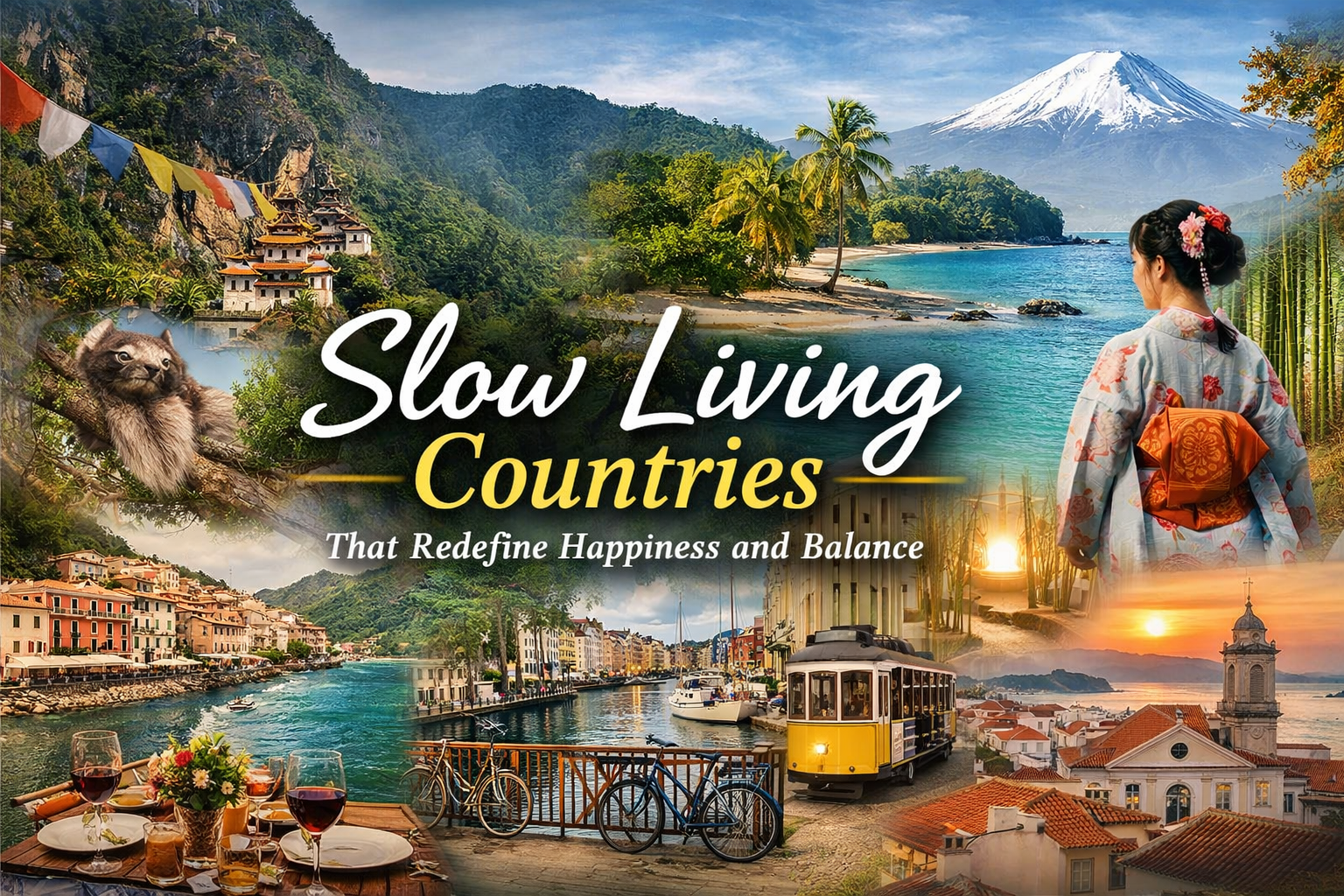
In a world dominated by deadlines, notifications, and constant urgency, many people are rethinking how they live. The concept of slow living countries has gained global attention as individuals seek places where quality of life matters more than speed or productivity. These destinations emphasize presence, human connection, cultural depth, and harmony with nature rather than relentless economic growth.
Slow living is not about laziness or lack of ambition. It is about intentional choices, meaningful routines, and a sustainable rhythm of life. The following slow living countries stand out for how deeply these values are woven into everyday life, offering lessons the rest of the world can learn from.
AI Summary
This article explores slow living countries that prioritize happiness, balance, and meaningful living over speed and constant productivity. From Bhutan’s happiness-based governance to Portugal’s relaxed neighborhood culture, each country demonstrates how intentional living improves well-being. The blog highlights cultural values, daily routines, and societal systems that support a slower, more fulfilling way of life in today’s fast-paced world.
Bhutan: Happiness as National Policy


Image Credit: Unsplash / Wikimedia Commons
Bhutan is often cited as the purest example among slow living countries. Instead of measuring success through GDP alone, the nation prioritizes Gross National Happiness. This philosophy influences governance, education, urban planning, and daily life.
Life in Bhutan is deeply connected to spirituality and nature. Monasteries dot mountain ridges, prayer flags flutter across valleys, and communal rituals are part of everyday routines. People are encouraged to live mindfully, respect the environment, and maintain cultural traditions passed down for generations.
Technology exists, but it does not dominate life. Conversations, festivals, farming, and family time remain central. Bhutan demonstrates that progress can be defined by well-being rather than speed.
Read about: Most Visited Country in World
Costa Rica: Living the Pura Vida Philosophy


Image Credit: Unsplash / Pexels
Costa Rica has become synonymous with the phrase pura vida, meaning pure life. It reflects an attitude of gratitude, optimism, and calm that defines everyday living. Among modern slow living countries, Costa Rica balances simplicity with sustainability exceptionally well.
The country places strong emphasis on mental health, outdoor living, and environmental preservation. Work-life balance is valued, and time spent with family or in nature is considered essential rather than optional.
Daily routines often include walking, surfing, gardening, or simply enjoying unhurried meals. Costa Rica shows how slowing down can coexist with modern infrastructure and global connectivity.
Denmark: Comfort, Presence, and Balance

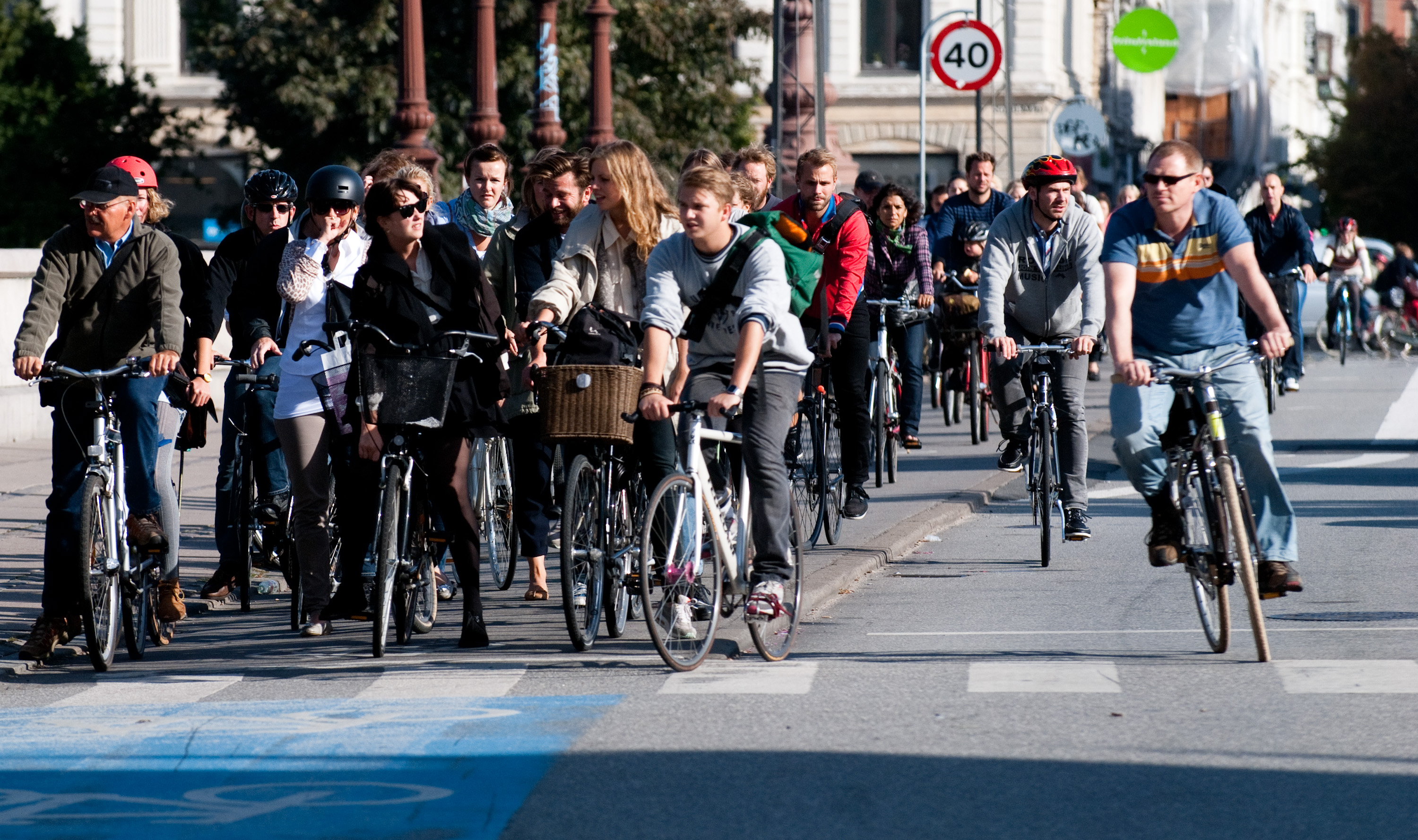
Image Credit: Unsplash / Visit Denmark
Denmark represents a unique version of slow living centered on comfort and presence. The concept of hygge encourages people to find joy in simple moments such as candlelit dinners, cycling to work, or spending time with loved ones.
Among European slow living countries, Denmark excels in creating systems that support balance. Shorter workweeks, flexible schedules, and strong social security allow people to live without constant pressure.
Urban spaces are designed for people rather than speed, with cycling lanes, green parks, and community-centered neighborhoods reinforcing a slower, more intentional lifestyle.
Greece: Island Time and Human Connection

Image Credit: Unsplash / Wikimedia Commons
Greece embodies slow living through its island culture and village traditions. Time moves differently in places like Crete, Paros, or small mainland towns where daily life unfolds at a relaxed pace.
Meals are long social events rather than rushed necessities. Conversations stretch into evenings, and relationships are prioritized over schedules. Many of the world’s slow living countries emphasize nature, but Greece adds deep social connection to the mix.
The Mediterranean lifestyle here encourages presence, enjoyment of food, and a strong sense of community.
Italy: Tradition, Craft, and Daily Pleasure

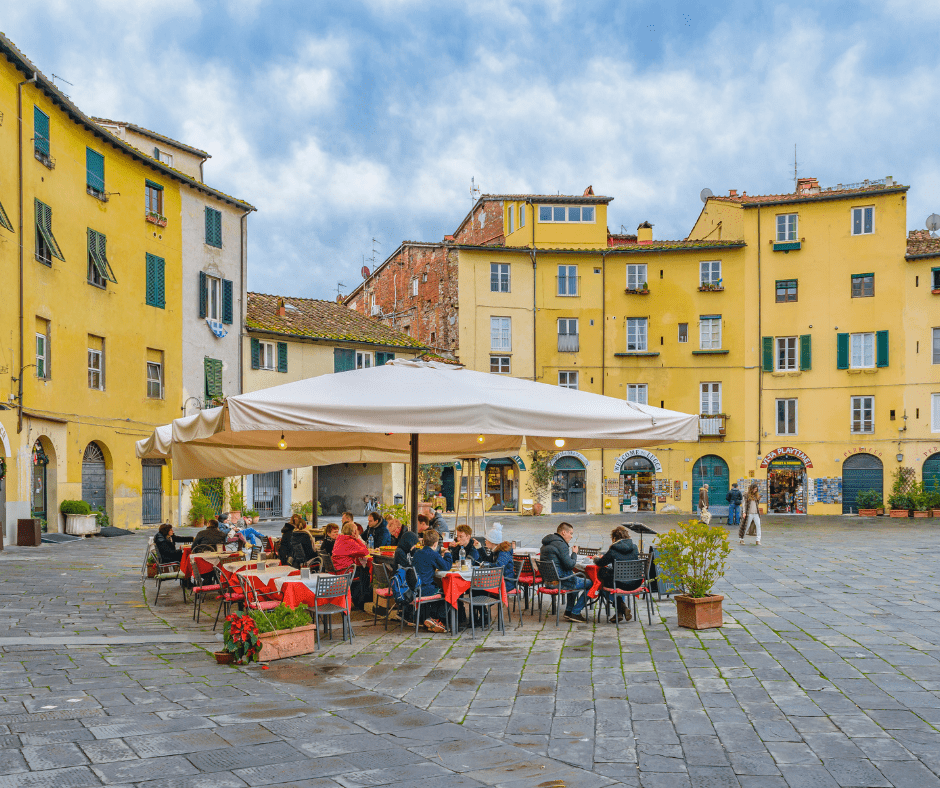
Image Credit: Unsplash / Pexels
Italy’s approach to slow living is rooted in tradition and craftsmanship. Life revolves around local markets, family meals, and pride in everyday rituals. From morning coffee at neighborhood cafes to evening walks through town squares, routine itself becomes meaningful.
Among slow living countries, Italy highlights the importance of pleasure without excess. Food is savored, work is balanced with rest, and cultural heritage is protected rather than replaced.
The Italian lifestyle proves that slowing down enhances creativity, connection, and overall satisfaction.
Japan: Purpose and Simplicity


Image Credit: Unsplash / Japan National Tourism Organization
Japan may appear fast-paced on the surface, but its cultural roots tell a different story. Philosophies like wabi-sabi and ikigai emphasize simplicity, imperfection, and purpose. These ideas quietly shape daily life across the country.
Rural Japan, in particular, reflects the principles shared by many slow living countries. People value seasonal food, mindful routines, and harmony with nature. Even in cities, intentional living is visible through rituals, minimalism, and respect for time.
Japan shows that slow living is a mindset, not just a location.
New Zealand: Nature as a Way of Life
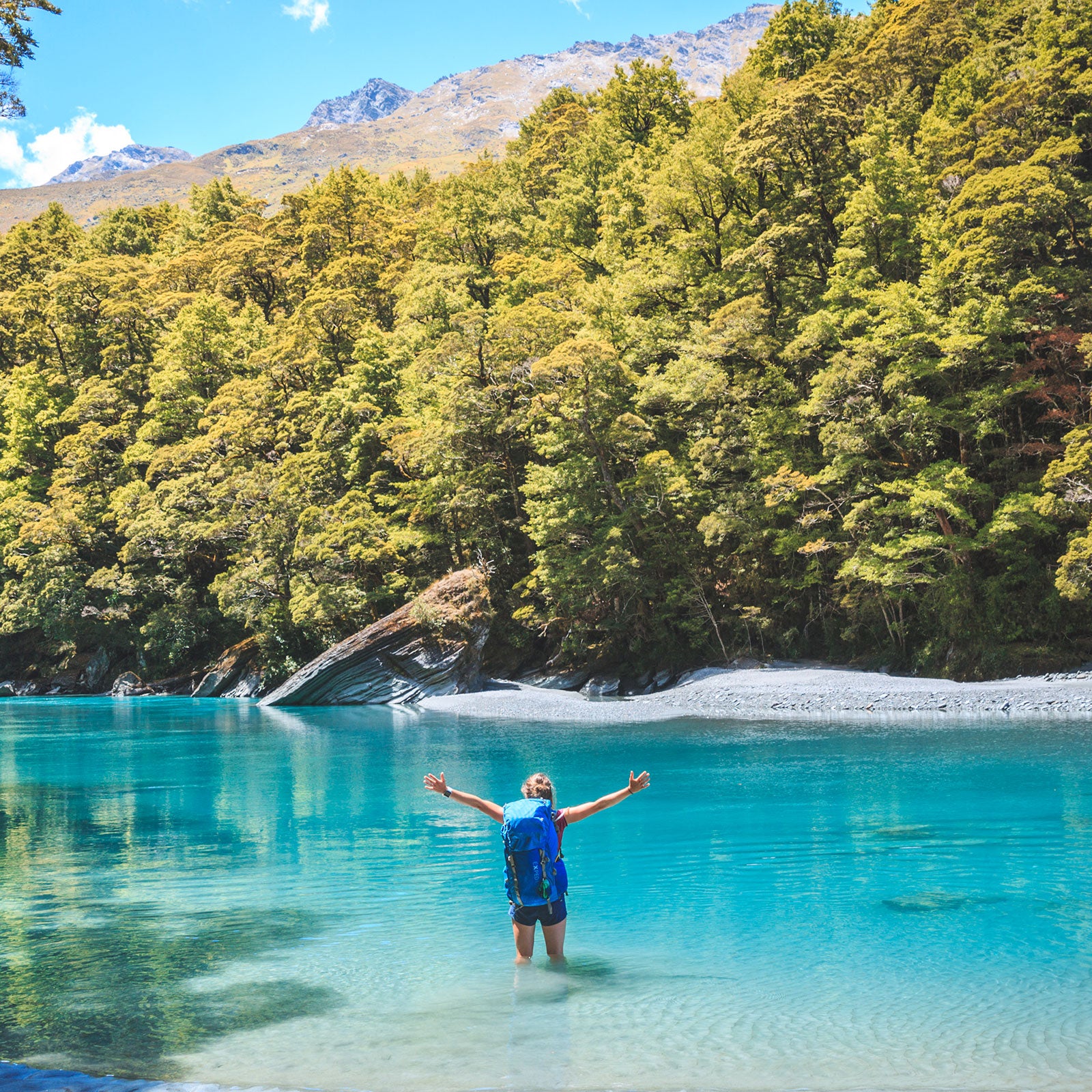
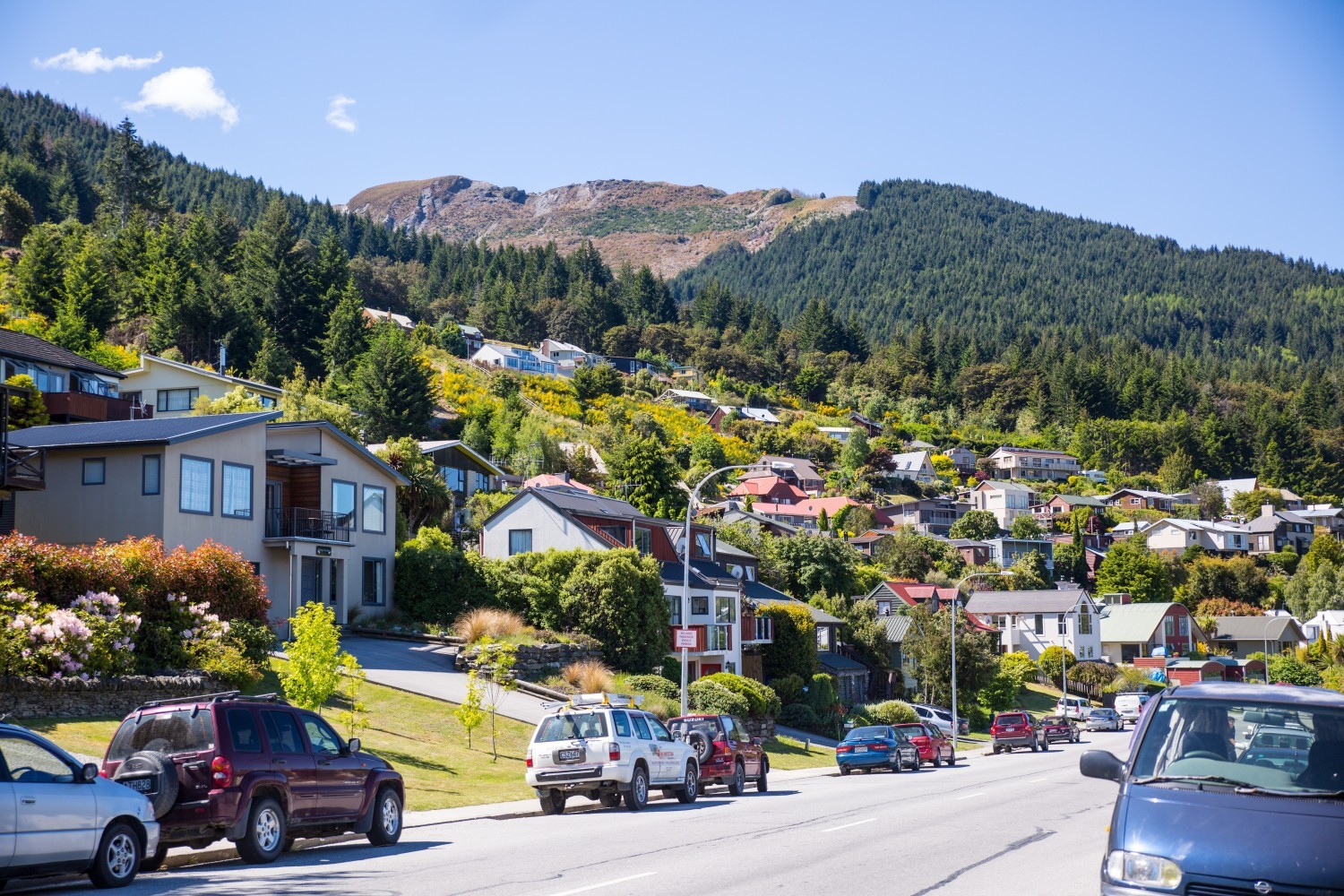
Image Credit: Unsplash / Tourism New Zealand
New Zealand’s lifestyle is deeply shaped by its landscapes. Mountains, beaches, and open spaces encourage outdoor living and mental calm. Among slow living countries, New Zealand stands out for how nature integrates seamlessly into everyday routines.
People prioritize time outside, community involvement, and mental well-being. Stress is minimized through flexible work culture and a collective appreciation for balance.
Life here feels spacious, allowing individuals to slow down naturally rather than forcing the change.
Portugal: Ease, Food, and Neighborhood Culture


Image Credit: Unsplash / Pexels
Portugal offers one of Europe’s most relaxed lifestyles. Daily life revolves around family meals, local markets, and evening strolls through familiar streets. The pace encourages contentment rather than constant ambition.
As one of the most accessible slow living countries, Portugal blends affordability with cultural richness. Time is respected, not rushed, and people prioritize living well over living fast.
This balance makes Portugal particularly appealing to those seeking a calmer, more grounded life.
Why Slow Living Countries Matter Today
The growing interest in slow living countries reflects a global shift in values. Burnout, mental health challenges, and environmental concerns are forcing people to reconsider what success truly means.
These countries demonstrate that progress does not have to come at the cost of happiness. Slowing down fosters resilience, creativity, and stronger communities. Whether through policy, culture, or daily habits, each nation on this list offers a blueprint for a more humane way of living.
Adopting slow living principles does not require relocation. It begins with intention, presence, and respect for time.
Conclusion
The appeal of slow living countries lies in their ability to align modern life with human well-being. They remind us that fulfillment comes not from speed, but from depth. As more people seek balance, these nations serve as living examples of what a mindful future can look like.
2 thoughts on “Slow Living Countries: 8 Nations That Have Mastered a Balanced Life”
Comments are closed.