
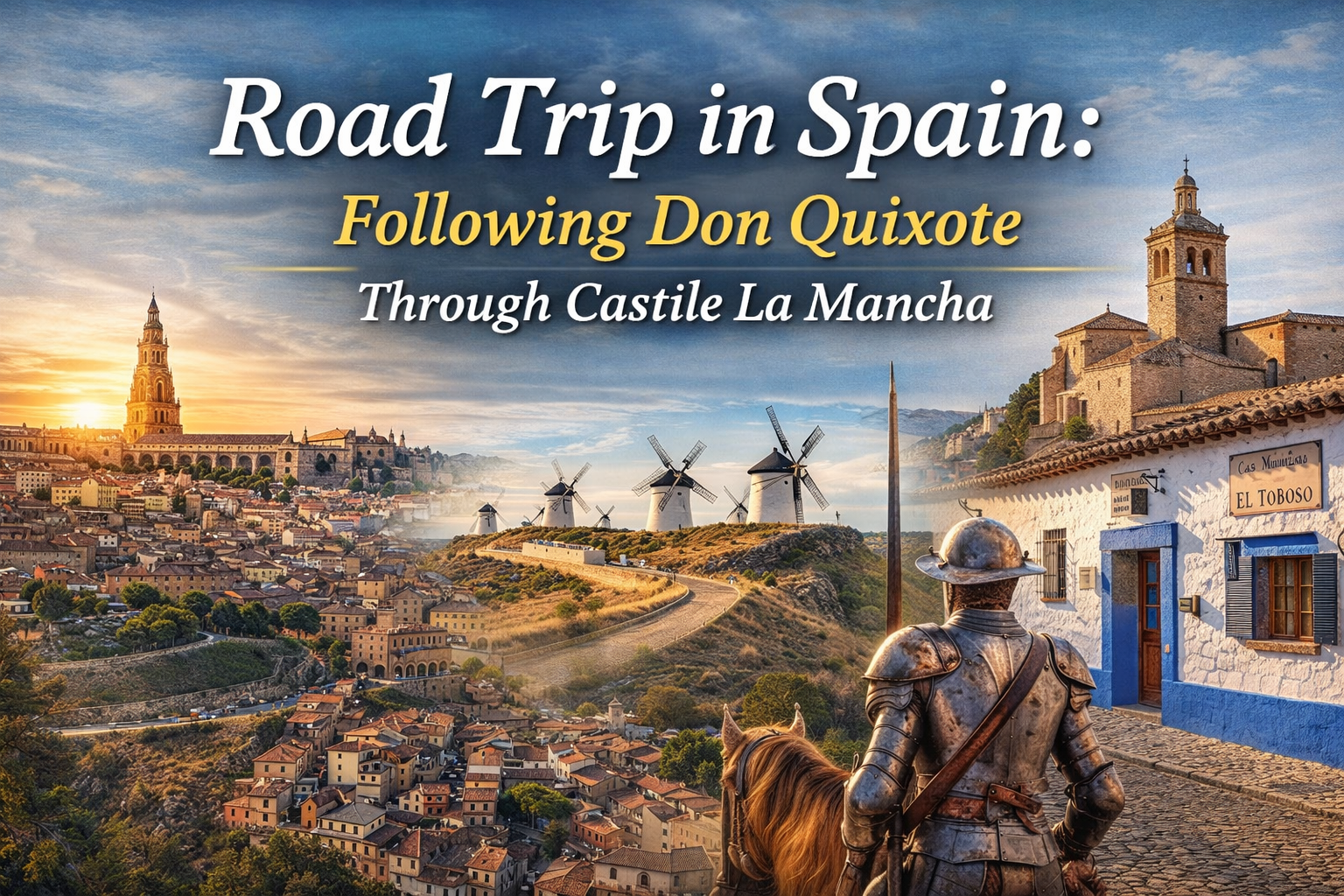
A Road Trip in Spain does not always have to follow crowded coastal highways or famous beach towns. South of Madrid lies Castile La Mancha, a region shaped by literature, wind, and imagination. This is where Miguel de Cervantes set the legendary adventures of Don Quixote, and today, travelers can follow the Ruta de Don Quijote, a cultural circuit that reveals a quieter, more poetic side of Spain.
This Road Trip in Spain winds through whitewashed villages, hilltop castles, endless plains, and historic towns that inspired one of the greatest novels ever written. Over a few unhurried days, the journey blends history, landscapes, and storytelling, offering an experience rooted in heritage rather than speed.
- This blog explores a Road Trip in Spain inspired by Don Quixote through the Castile La Mancha region.
- It highlights the Ruta de Don Quijote, a 300 kilometre cultural circuit connecting historic towns and literary landmarks.
- Key stops include Toledo, Consuegra, Puerto Lápice, Alcázar de San Juan, Campo de Criptana, and El Toboso.
- The article focuses on windmills, castles, villages, and landscapes linked to Cervantes’ masterpiece.
- The blog shows how this road trip reveals a slower, heritage rich side of inland Spain.
The Ruta de Don Quijote: A Literary Road Across Central Spain
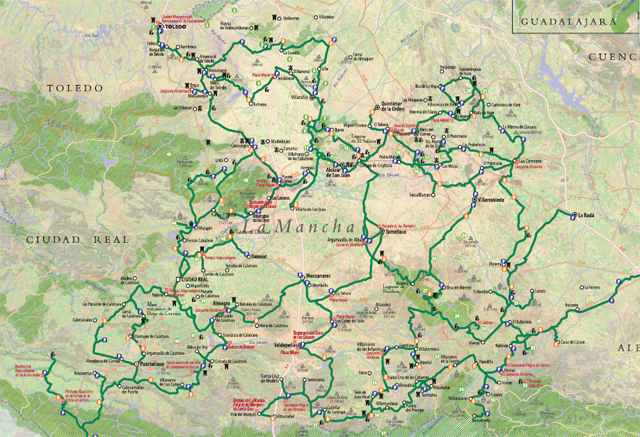
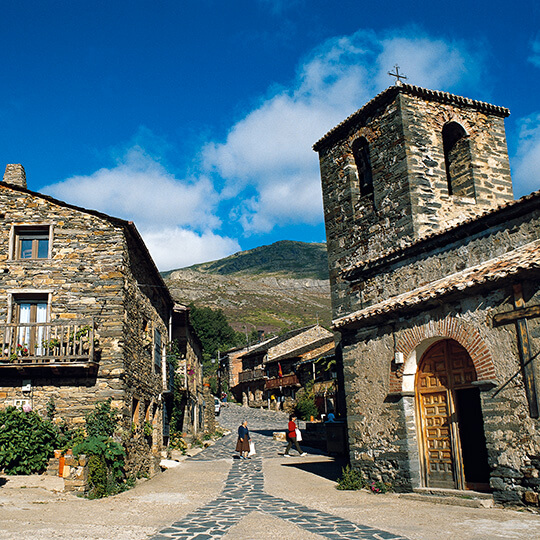
Image Credit: Getty Images / Wikimedia Commons
The Ruta de Don Quijote is a 300 kilometre circular route through Castile La Mancha in central Spain. Designed as a cultural itinerary, it connects places associated with Cervantes’ novel as well as towns that reflect traditional Castilian life.
Unlike many modern driving routes, this Road Trip in Spain is meant to be slow and immersive. The landscapes change subtly as the road passes wheat fields, vineyards, and open plains punctuated by windmills and fortified towns. Each stop offers a new layer of Spain’s inland identity, far removed from the stereotypes of flamenco and seaside resorts.
Toledo: Monumental Beginning of the Journey
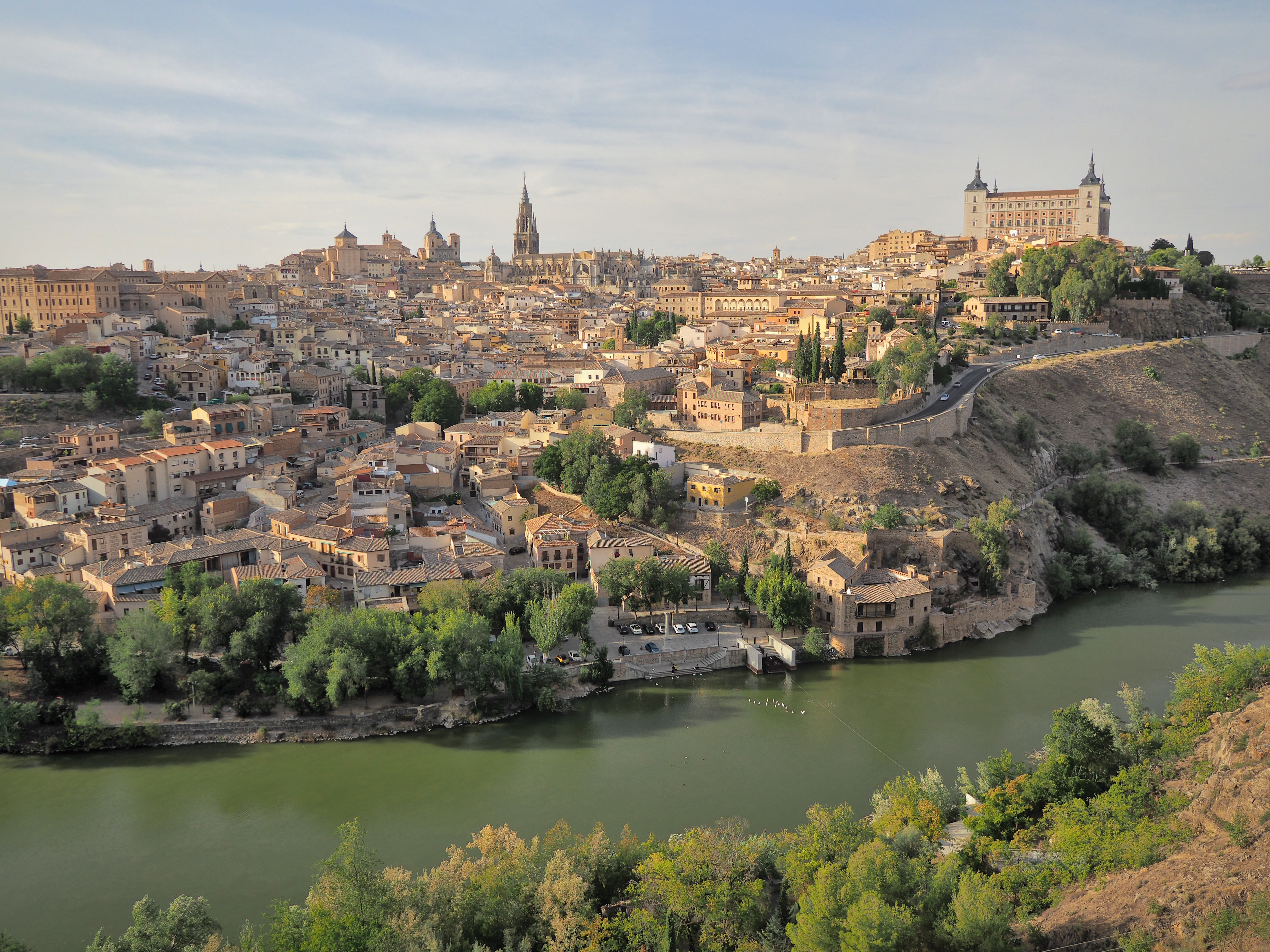
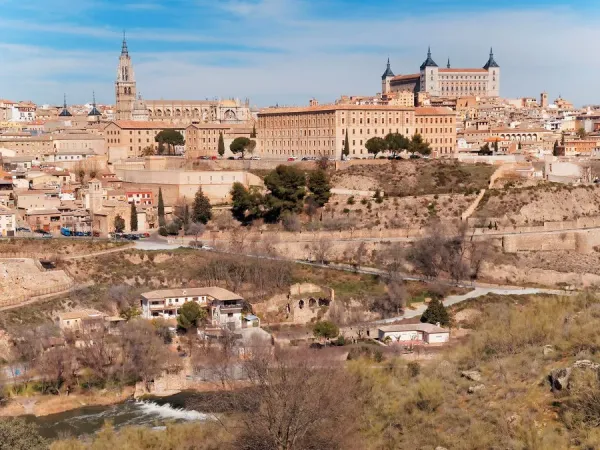
Image Credit: Getty Images / Unsplash
Toledo serves as the starting point of this Road Trip in Spain and sets the tone for the journey ahead. Sitting above a bend in the Tagus River, the city is a masterpiece of layered civilizations. Christian, Muslim, and Jewish influences coexist in its architecture, streets, and traditions.
Highlights include the Gothic cathedral, the imposing Alcázar, and the narrow lanes of the old town. Toledo also plays a key cultural role in the Don Quixote route, hosting exhibitions and literary references that connect Cervantes’ work to the region. As a gateway to Castile La Mancha, Toledo prepares travelers for a route where history and imagination intertwine.
Consuegra: Windmills and Medieval Power


Image Credit: Getty Images / Wikimedia Commons
Around sixty kilometres south of Toledo lies Consuegra, one of the most iconic stops on the Don Quixote route. The town is crowned by 11 restored white windmills standing along a ridge, instantly recalling the famous scene where Don Quixote battles imaginary giants.
Just below the windmills rises the Castle of La Muela, a former Muslim fortress later used by the Order of Saint John. The winding road to the hilltop offers sweeping views of the surrounding plains, making this section of the Road Trip in Spain particularly scenic. Consuegra perfectly captures the blend of myth and reality that defines the journey.
Puerto Lápice: The Spirit of Old Castile
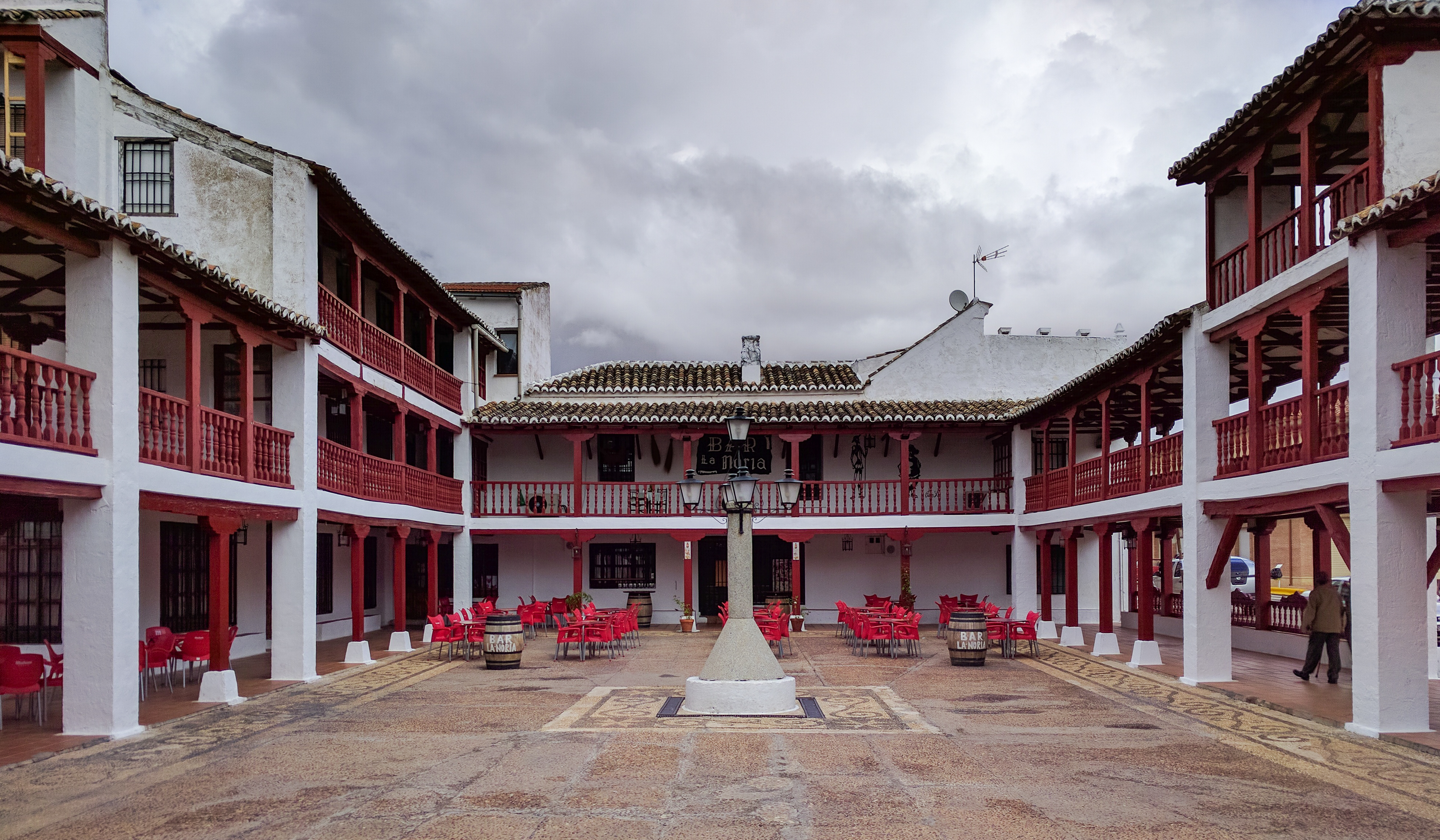

Image Credit: Getty Images / Wikimedia Commons
Puerto Lápice feels like a village preserved in time. Traditionally a stopover on the old Madrid to Andalusia road, it is closely linked to Don Quixote’s story through the Venta del Quijote, a historic inn said to resemble the one where the knight was dubbed.
Built around a central courtyard with wooden galleries, the inn still functions as a tavern today. The village’s whitewashed houses with blue window frames enhance the sense of stepping into a living novel. On this Road Trip in Spain, Puerto Lápice offers a pause where fiction and daily life merge seamlessly.
Alcázar de San Juan: Literary Legends and Heritage
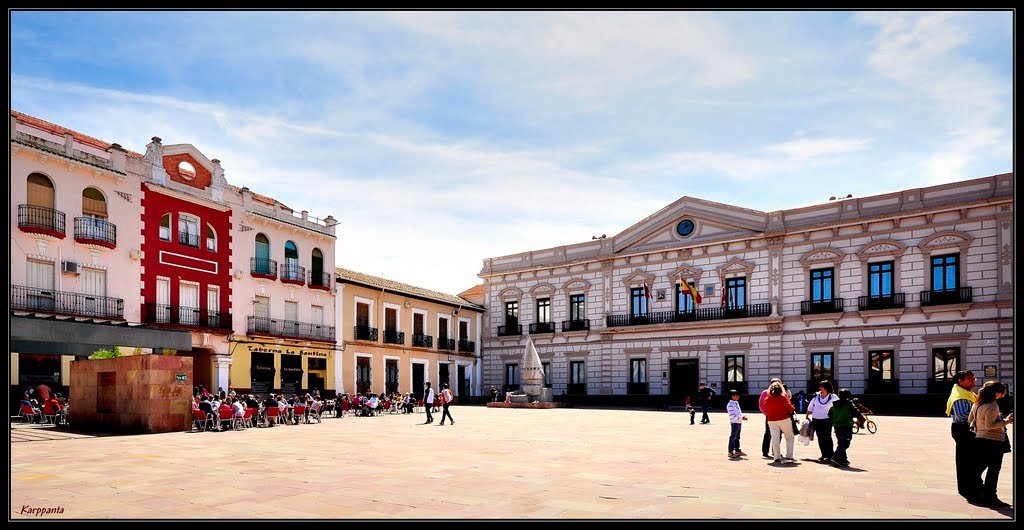

Image Credit: Getty Images / Unsplash
Located about thirty kilometres from Puerto Lápice, Alcázar de San Juan stands at the crossroads of history and literature. The town lies along an ancient Roman road and features a rich architectural heritage centered around Plaza de España.
Local tradition holds that Miguel de Cervantes was baptized here, with the baptismal font preserved in the Church of Santa María la Mayor. Whether legend or fact, the association strengthens Alcázar’s place on this Road Trip in Spain. The surrounding countryside also offers rural trails that reveal the agricultural heart of La Mancha.
Campo de Criptana: Windmills Preserved in Time


Image Credit: Getty Images / Wikimedia Commons
Campo de Criptana presents one of the most authentic Don Quixote landscapes. Several 16th century windmills still stand here, many retaining their original internal mechanisms. Some have been converted into small museums dedicated to literature, wine making, and rural traditions.
The town itself is a pleasure to explore, with white streets, flower filled courtyards, and heavy wooden doors typical of Castilian architecture. As part of the Road Trip in Spain, Campo de Criptana feels like an open air stage where Cervantes’ world remains alive.
El Toboso: Dulcinea’s Quiet Village
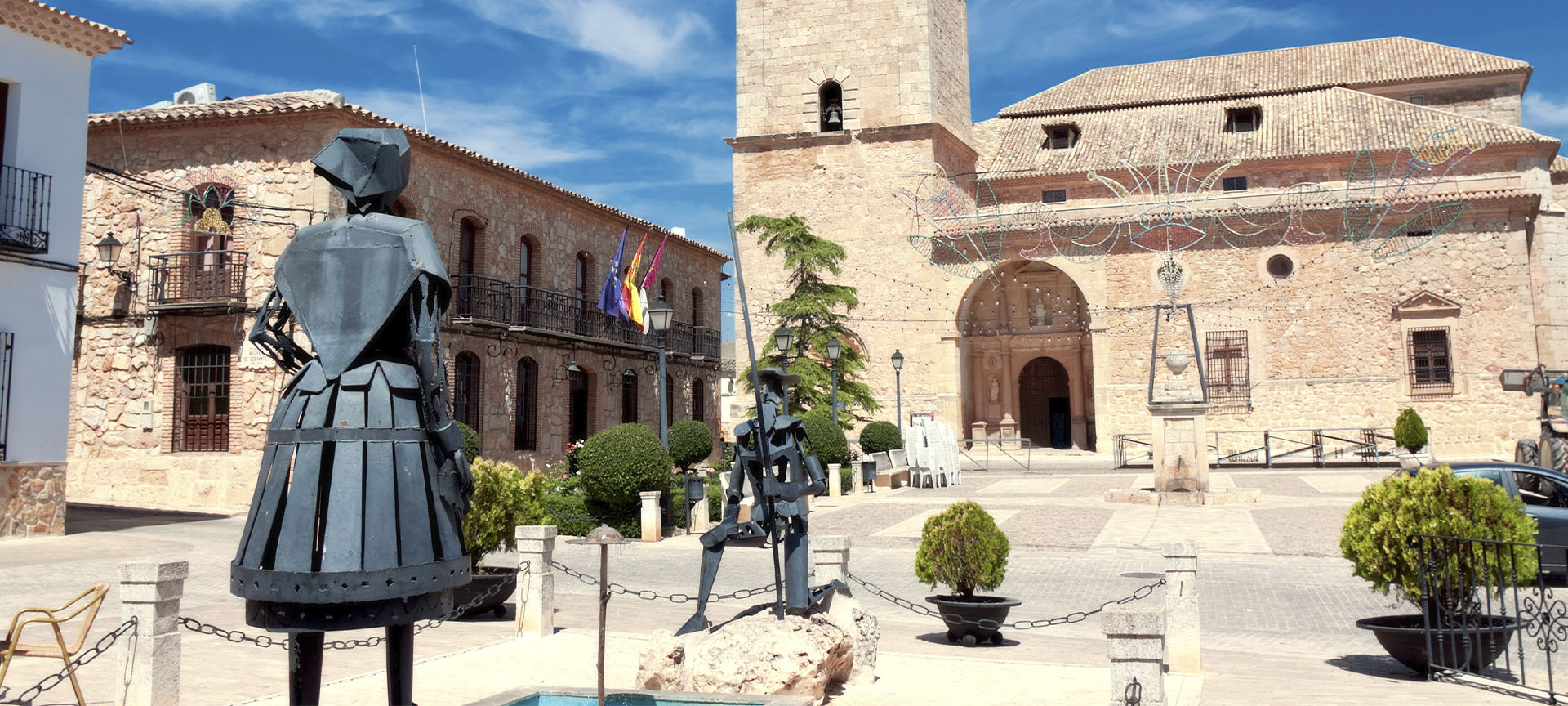

Image Credit: Getty Images / Wikimedia Commons
El Toboso adds an intimate dimension to the journey. In the novel, it is the home of Dulcinea, Don Quixote’s idealized love. Today, the village maintains a tranquil atmosphere that suits its literary role.
The Casa Museo de Dulcinea recreates a 16th century Castilian home, while nearby museums explore Cervantes’ influence through rare editions and historical objects. Walking through El Toboso, travelers sense how imagination and reality quietly coexist. This reflective stop completes the emotional arc of the Road Trip in Spain.
Why This Road Trip in Spain Feels Different
What sets this Road Trip in Spain apart is its rhythm. There is no rush between destinations, no checklist of attractions to conquer. Instead, the route invites travelers to slow down and absorb landscapes that inspired one of literature’s most enduring characters.
Castile La Mancha reveals a Spain defined by openness, tradition, and subtle beauty. The journey is not just about places, but about atmosphere, memory, and storytelling carried by the land itself.
Conclusion
A Road Trip in Spain following the Ruta de Don Quijote offers a deeper understanding of the country beyond its well known icons. It is a journey into inland Spain, where villages, windmills, and historic towns continue to echo Cervantes’ legacy. For travelers seeking culture, calm, and authenticity, this route stands as one of Spain’s most rewarding experiences.