

India is on the verge of a historic transformation in rail travel. After years of planning, construction, and anticipation, the India first bullet train is finally moving closer to reality. Scheduled to begin operations on August 15, 2027, this high-speed rail project will redefine how Indians travel between major economic hubs and set new benchmarks for speed, safety, and sustainability.
The Mumbai-Ahmedabad High-Speed Rail corridor is more than just a transport project. It represents a technological leap, an infrastructure milestone, and a symbol of India’s evolving mobility ambitions. As the countdown begins, here is a detailed look at routes, phases, stations, technology, and what makes the India first bullet train a game changer.
- India first bullet train will launch on August 15, 2027 on the Mumbai-Ahmedabad corridor.
- The 508 km route will open in phases using Japanese Shinkansen technology.
- Major stations include Surat, Vadodara, Vapi, Thane, and Ahmedabad.
- The project emphasizes speed, safety, and sustainable infrastructure development.
What Is India’s First Bullet Train Project

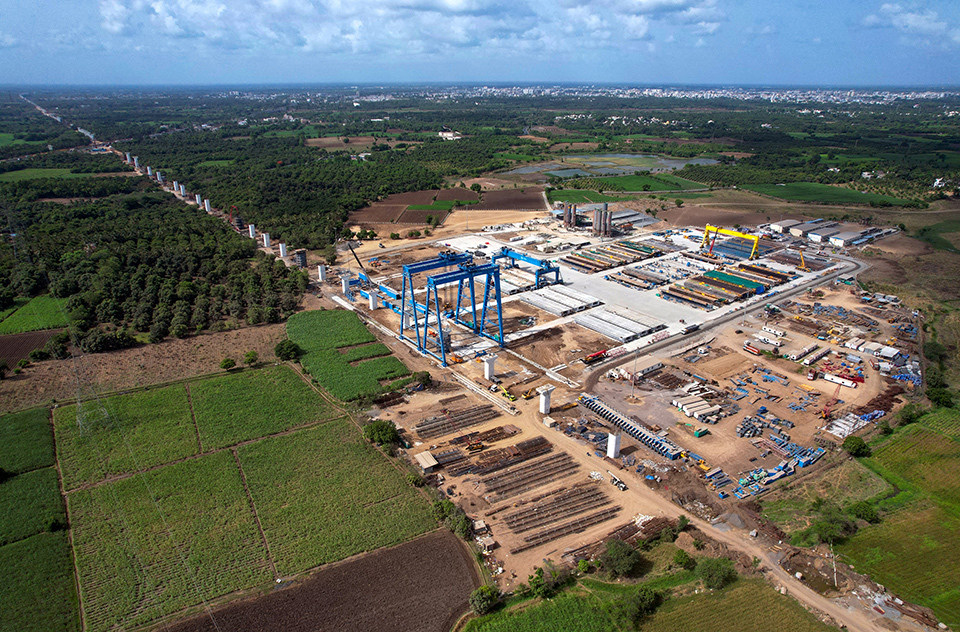
Image Credit: ANI; Getty Images
The India first bullet train project officially known as the Mumbai-Ahmedabad High-Speed Rail corridor spans 508 kilometers. It connects Bandra Kurla Complex in Mumbai to Sabarmati in Ahmedabad, cutting across Maharashtra, Gujarat, and Dadra and Nagar Haveli.
This corridor is being developed using Japan’s Shinkansen technology, globally respected for its safety record and operational precision. Once fully operational, trains on this route will run at speeds of up to 320 kmph, reducing the travel time between Mumbai and Ahmedabad to under two hours.
The project is being implemented by the National High Speed Rail Corporation Limited, making it one of the most ambitious railway initiatives in the country’s history.
Launch Timeline and Key Announcement
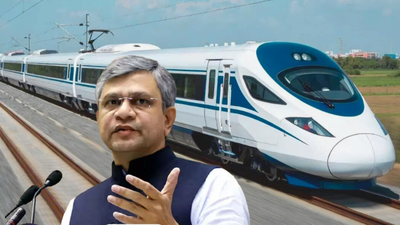

Image Credit: ANI; Press Information Bureau
Union Railways Minister Ashwini Vaishnaw has confirmed that the first operational section of the India first bullet train will open on August 15, 2027. The date has been symbolically chosen to coincide with India’s Independence Day, underlining the national significance of the project.
While the full 508 km stretch will take more time to complete, phased operations will allow passengers to experience high-speed rail well before the entire corridor becomes operational.
Read also: Indias 7 Longest Highways
Stations and Major Stops on the Route
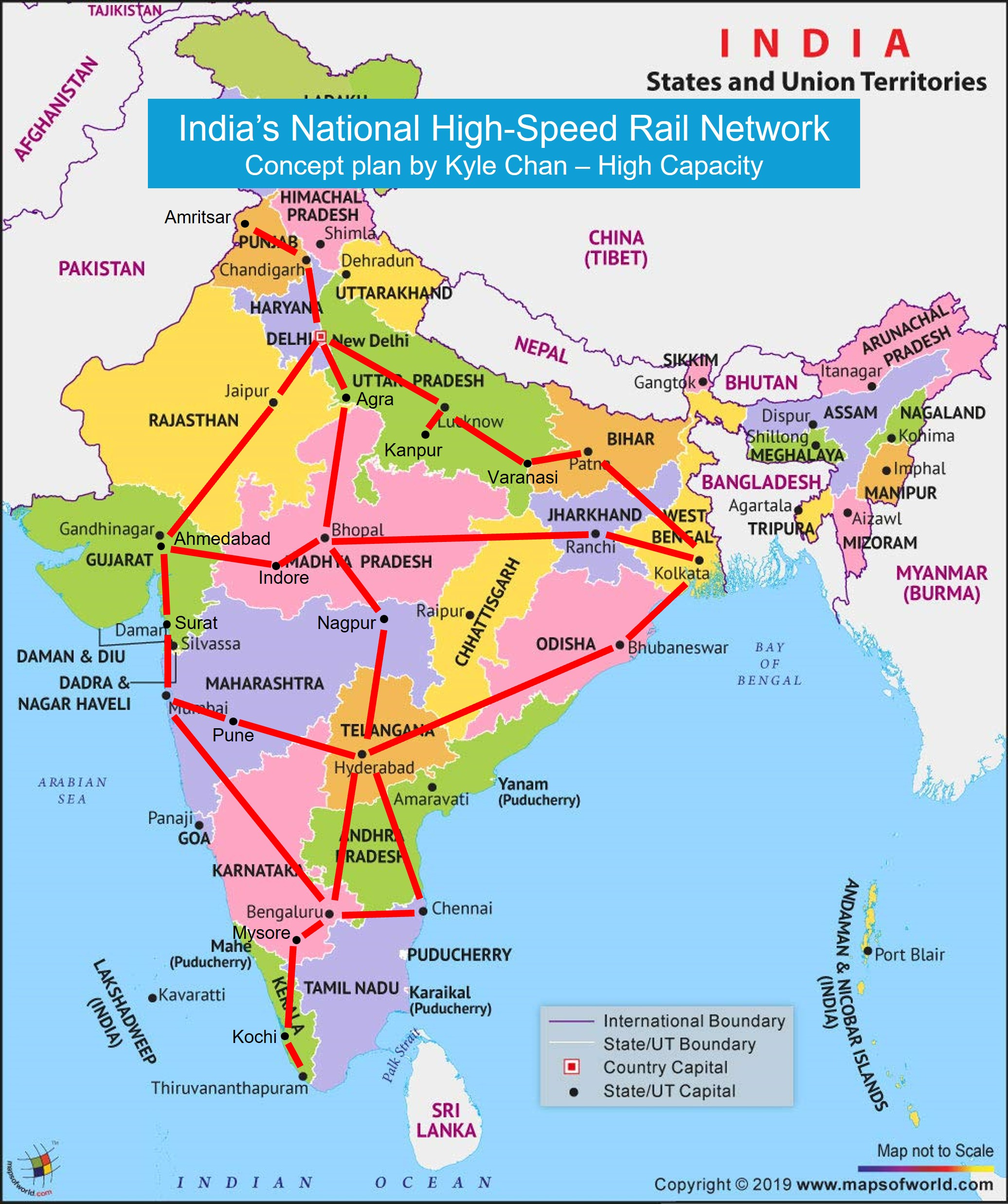
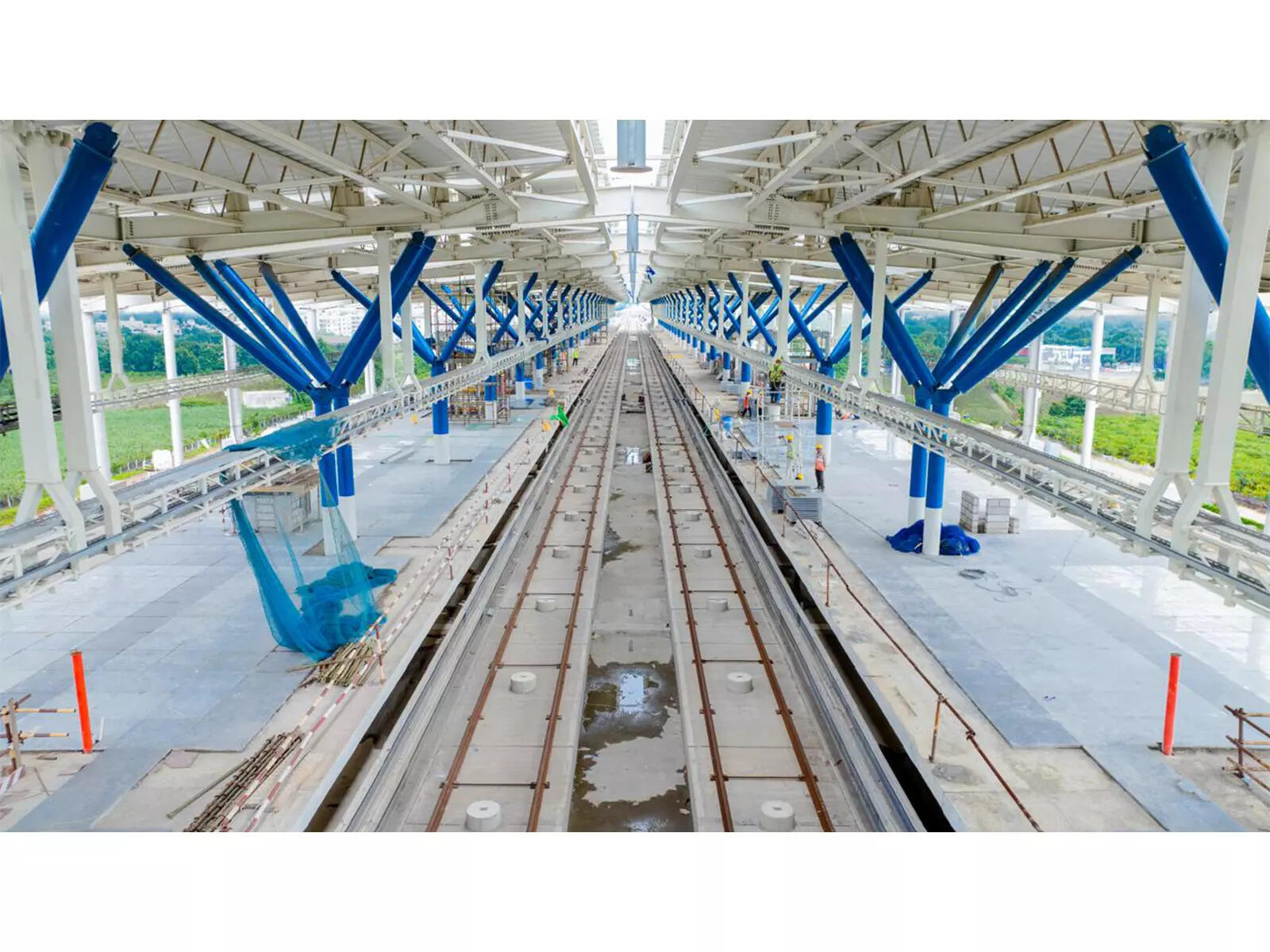
Image Credit: NHSRCL; Getty Images
The corridor will include 12 strategically located stations designed to serve major industrial, commercial, and urban centers. These include Thane, Virar, Vapi, Surat, Bharuch, Vadodara, Anand, and Ahmedabad.
Each station is being developed as a modern transport hub with advanced passenger facilities, seamless security checks, and integration with local transit systems. The aim is to make the India first bullet train not just fast, but also convenient and accessible.
Phased Rollout Plan Explained
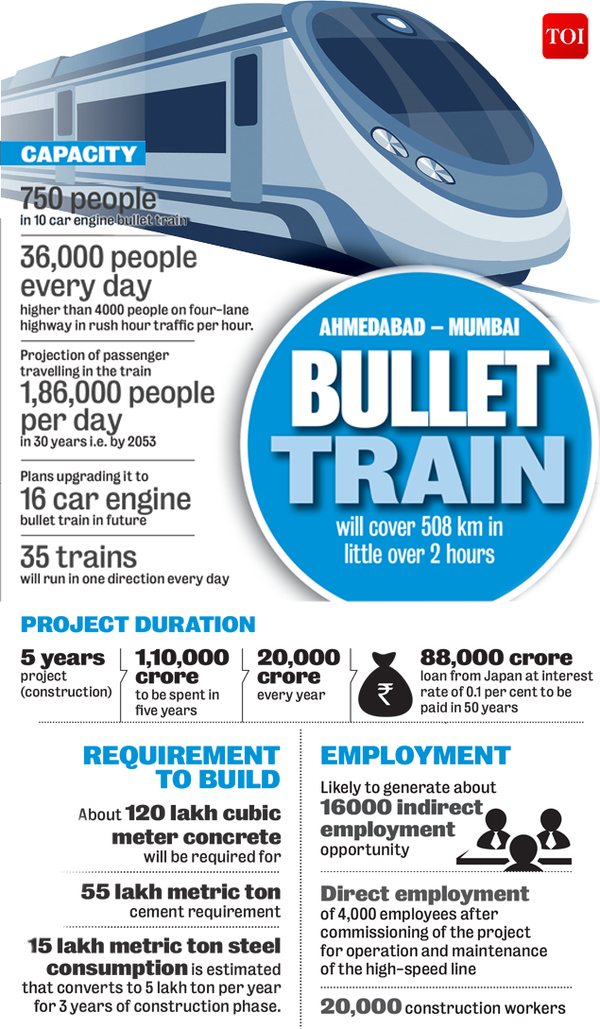

Image Credit: ANI; Getty Images
The launch of the India first bullet train will happen in carefully planned phases to ensure safety and operational efficiency.
The first phase will open between Surat and Bilimora, a 47-kilometer stretch where civil and track work is already at an advanced stage. This section will serve as the testing and early operations corridor.
The second phase will extend services from Vapi to Surat, followed by the third phase connecting Vapi to Ahmedabad, bringing cities like Vadodara and Bharuch into the high-speed network.
The fourth phase will link Thane to Ahmedabad, and the final phase will complete the full Mumbai to Ahmedabad corridor. End-to-end operations are currently targeted by 2029.
Read also: Germany Introduces Visa-Free Transit for Indian Passport
Engineering Scale and Infrastructure Progress
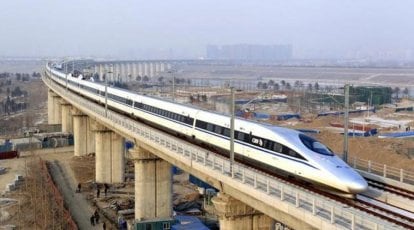
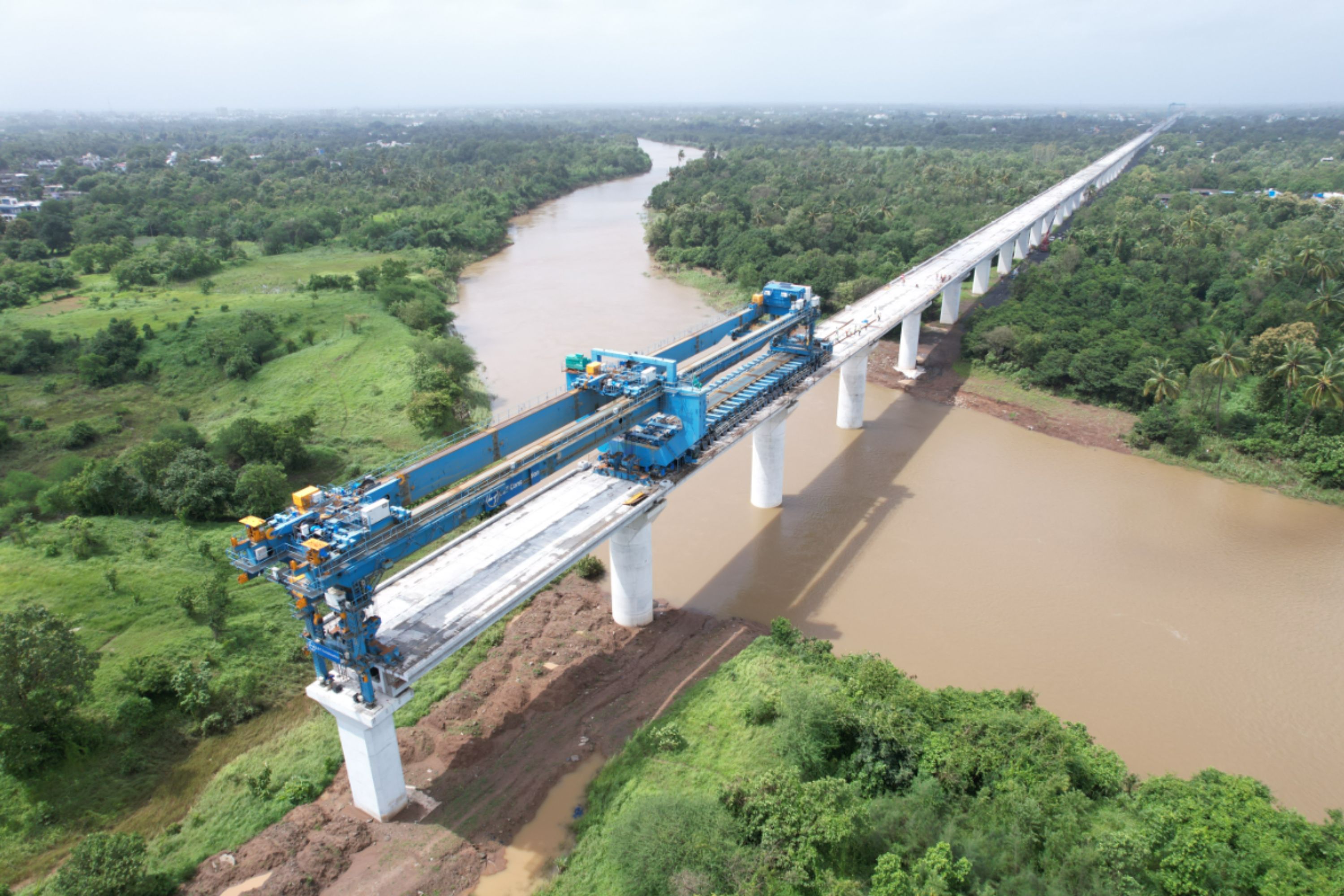
Image Credit: NHSRCL; Getty Images
The scale of construction behind the India first bullet train is unprecedented in Indian rail history. Around 352 kilometers of the corridor lie in Gujarat and Dadra and Nagar Haveli, while 156 kilometers pass through Maharashtra.
More than 85 percent of the route is being built on elevated viaducts to ensure safety and minimize land disruption. Over 326 kilometers of elevated structures are already complete, and 17 out of 25 planned river bridges have been constructed.
This elevated design also allows the train to maintain high speeds without interference from road traffic or pedestrian crossings.
Surat Bullet Train Station Highlights

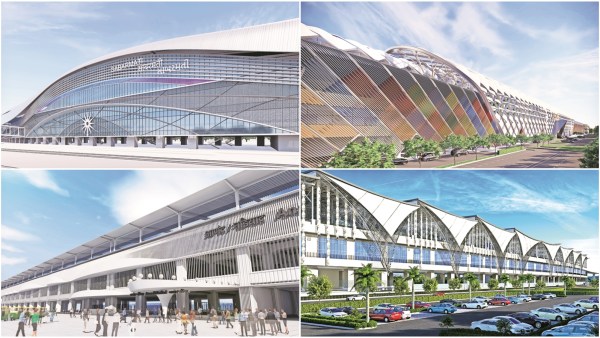
Image Credit: NHSRCL; ANI
Surat is emerging as one of the most iconic stations on the route. Inspired by the city’s globally known diamond industry, the station has been designed as both a functional and architectural landmark.
The structure rises to a height of 26.3 meters and covers a built-up area of over 58,000 square meters. It includes three levels, with parking and security at the ground level, passenger amenities at the concourse, and boarding facilities at the platform level.
While the main structure is complete, interior work and passenger services are currently being finalized, positioning Surat as a key node in the India first bullet train network.
Japanese Shinkansen Technology at the Core
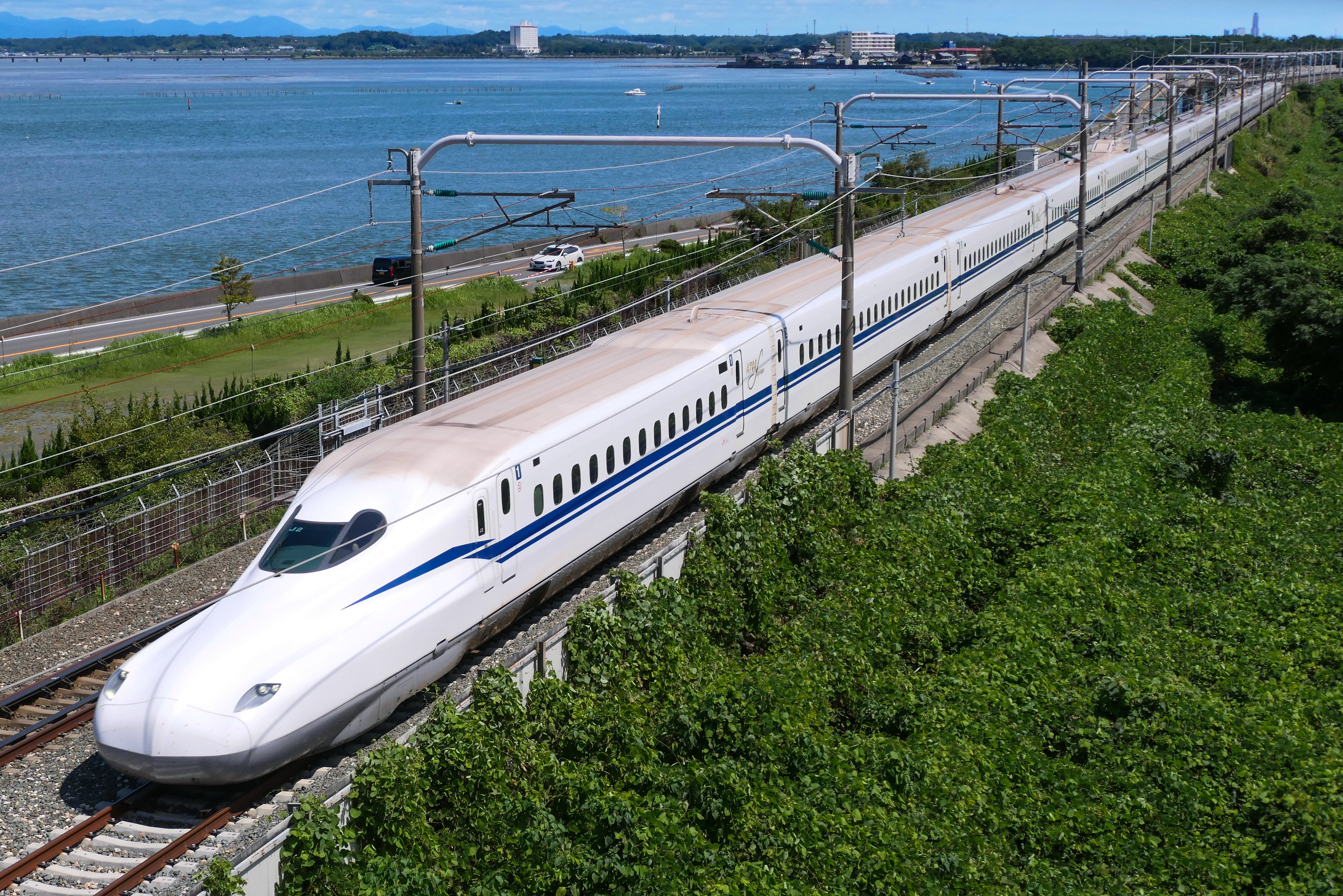

Image Credit: Getty Images; Japan Railways
The backbone of the India first bullet train is Japan’s Shinkansen technology, known worldwide for its reliability and safety. This system includes advanced earthquake detection mechanisms, automatic braking, and precision signaling that minimizes delays and human error.
The adoption of Shinkansen technology also reflects strong Indo-Japanese cooperation, with knowledge transfer and training programs supporting long-term operational excellence.
Sabarmati Multi-Modal Hub and Sustainability

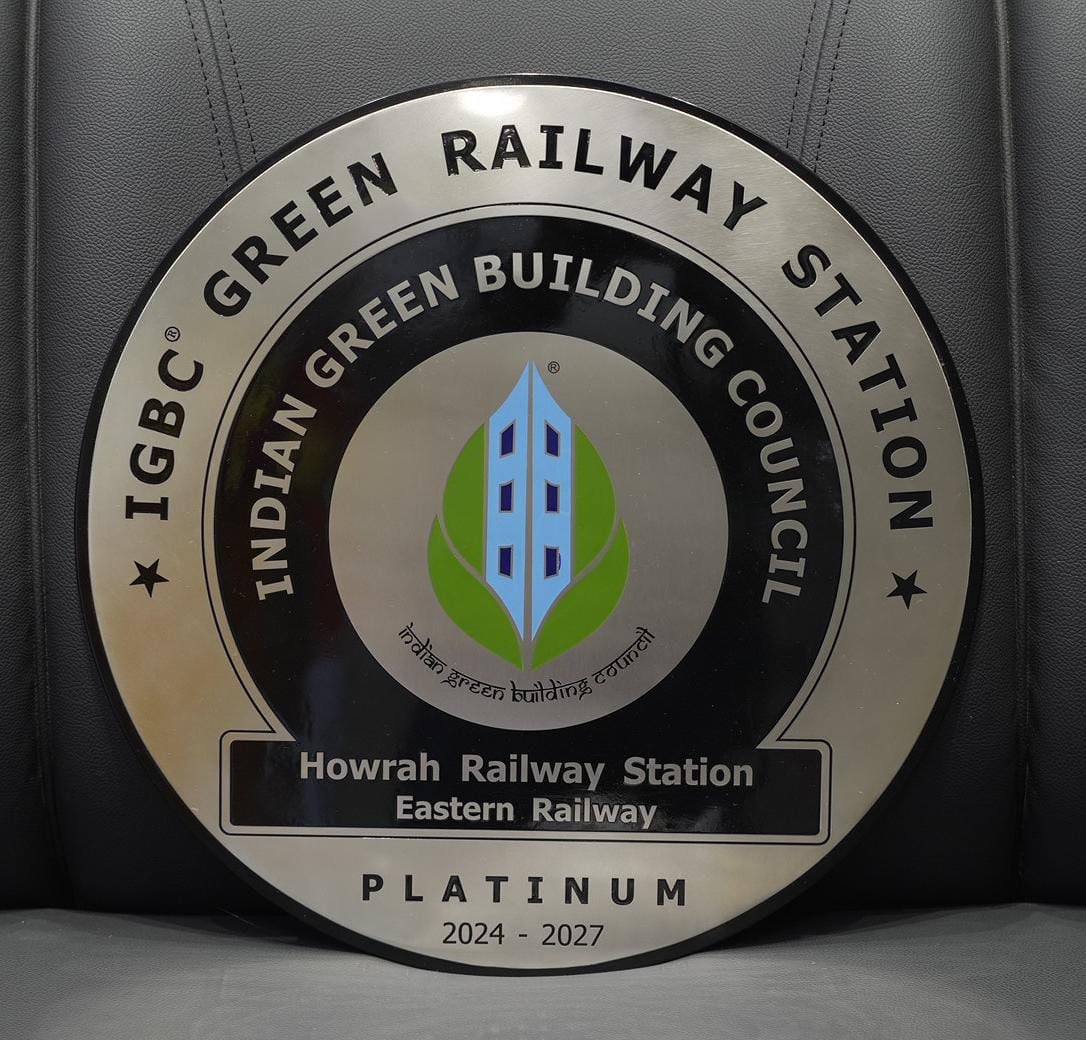
Image Credit: NHSRCL; Swarajya
A major sustainability milestone for the India first bullet train project is the Sabarmati Multi-Modal Hub in Ahmedabad, which has received the Indian Green Building Council Gold Rating.
This is the first building associated with the project to earn such certification. Designed to integrate railway platforms, metro services, the bullet train station, and BRTS corridors, the hub enables smooth passenger movement across transport systems.
The building incorporates solar panels, energy-efficient lighting, rainwater management, natural ventilation, and waste segregation practices, making sustainability a core part of India’s high-speed rail vision.
What the Bullet Train Means for Indian Travel
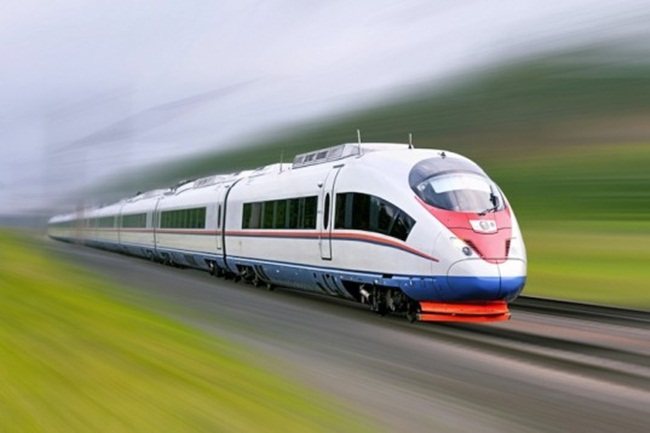
Image Credit: Getty Images; ANI
The arrival of the India first bullet train will significantly alter travel dynamics on India’s west coast. Business travel between Mumbai and Ahmedabad will become faster and more predictable, encouraging economic integration and regional growth.
For passengers, the experience will introduce global standards of punctuality, comfort, and safety to Indian rail travel. The project also sets the foundation for future high-speed corridors across the country.
Final Outlook
The India first bullet train represents a turning point in how infrastructure, technology, and sustainability converge in Indian Railways. While full operations are still a few years away, the phased rollout starting in 2027 will allow millions to witness a new era of rail travel.
As construction progresses and stations near completion, the bullet train is no longer a distant dream. It is steadily becoming a defining feature of India’s transport future.
1 thought on “India First Bullet Train: Routes, Phases, and Everything We Know So Far”
Comments are closed.