
AI Summary
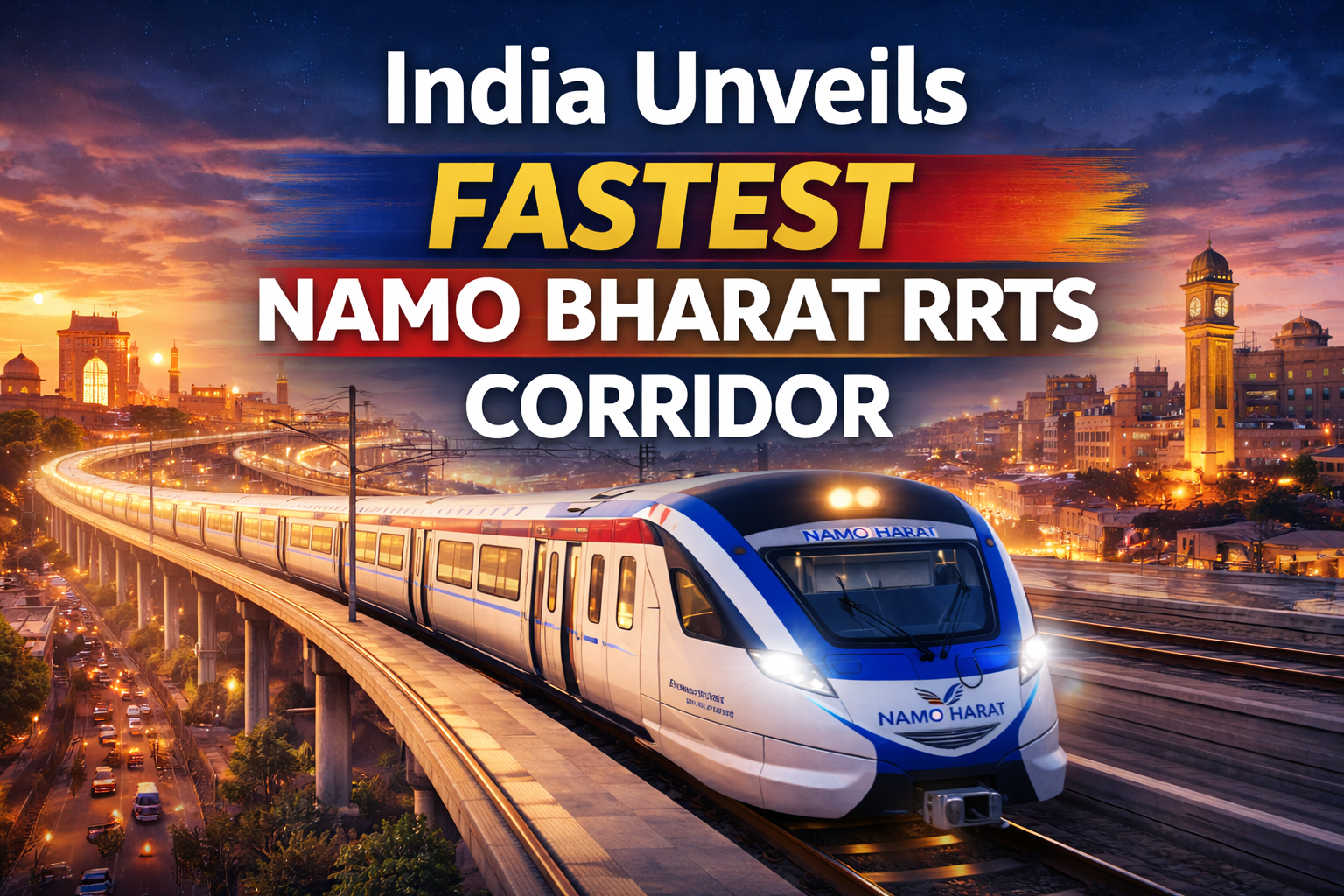
- Prime Minister inaugurated India’s fastest Namo Bharat RRTS on the Delhi Meerut corridor.
- The 82 kilometer corridor reduces travel time to under one hour.
- Trains operate at speeds up to 160 kmph with modern safety features.
- The project boosts regional economic growth and supports sustainability goals.
- It sets a benchmark for future regional rapid transit systems in India.
India has entered a new era of regional rail connectivity with the launch of the fastest Namo Bharat RRTS. Prime Minister Narendra Modi inaugurated India’s first and fastest Namo Bharat RRTS and formally dedicated the complete Delhi Meerut corridor to the nation. This milestone marks a transformative shift in high speed regional transportation and strengthens the infrastructure backbone of the National Capital Region.
The fastest Namo Bharat RRTS is designed to operate at high speeds while ensuring comfort, safety, and reliability. With the full corridor now operational, commuters between Delhi, Ghaziabad, and Meerut can expect drastically reduced travel time and world class travel standards.

Image credit: Government of India Media
A Historic Moment for Indian Rail Infrastructure
The inauguration of the fastest Namo Bharat RRTS is not just a railway event but a symbol of modern India’s infrastructure ambition. The Delhi Meerut corridor is India’s first Regional Rapid Transit System designed for semi high speed operations.
During the inauguration ceremony, the Prime Minister emphasized the importance of integrated transport networks in boosting economic growth. The fastest Namo Bharat RRTS reflects years of planning, engineering excellence, and coordinated development between central and state authorities.

Image credit: Unsplash
Speed and Performance Capabilities
The defining feature of the fastest Namo Bharat RRTS is its operational speed. Capable of reaching up to 160 kilometers per hour, the train significantly cuts travel time between Delhi and Meerut to under one hour.
Traditional road journeys often take two to three hours depending on congestion. With the fastest Namo Bharat RRTS, commuters benefit from predictable schedules and reduced travel stress. Advanced signaling systems and dedicated tracks ensure uninterrupted high speed travel.
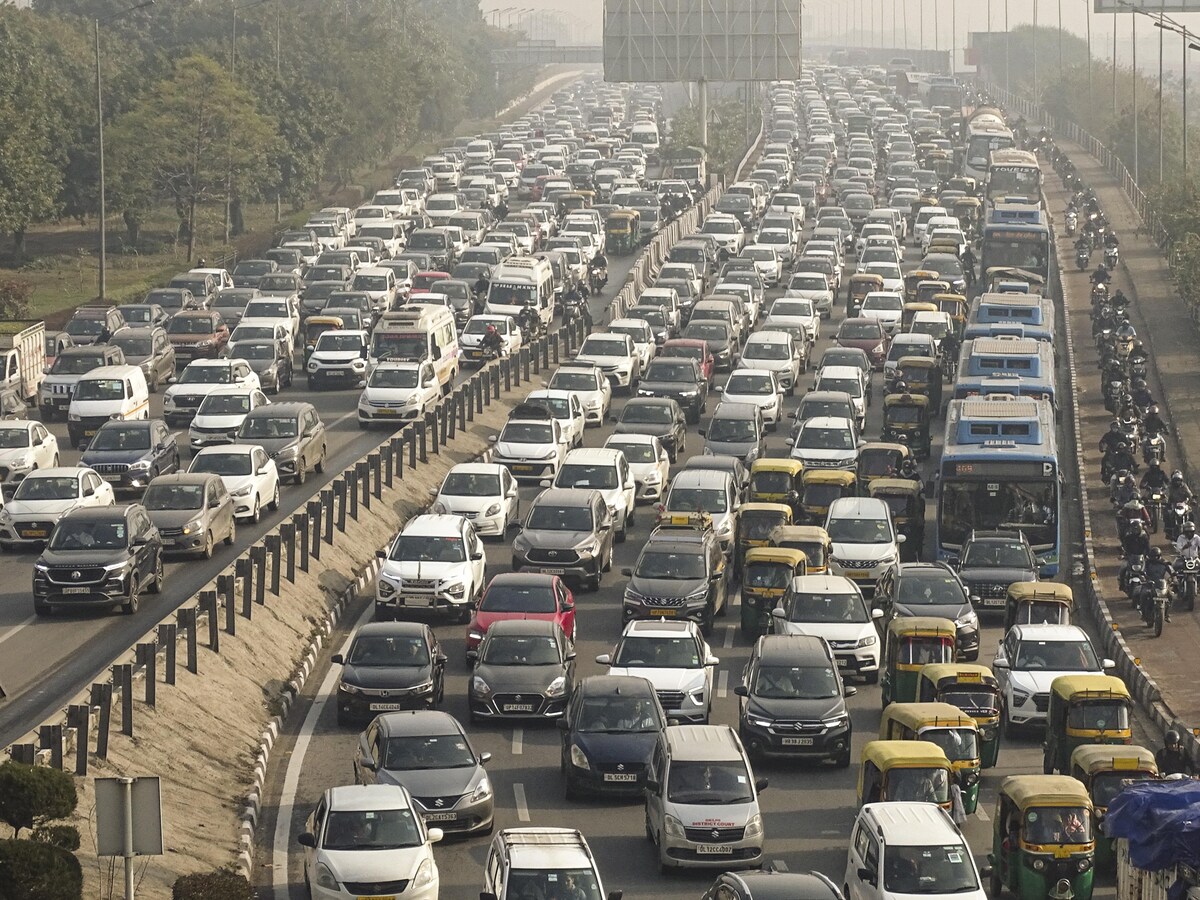
Image credit: Pixabay, Unsplash
The Full Delhi Meerut Corridor
The complete corridor spans approximately 82 kilometers, connecting key urban centers across Delhi, Ghaziabad, and Meerut. The fastest Namo Bharat RRTS integrates multiple stations equipped with modern amenities.
Sarai Kale Khan has emerged as a major multimodal transport hub, linking metro lines, bus services, and the RRTS network. This seamless integration enhances commuter convenience and encourages public transport usage.
Read also: Vande Bharat Food Menu

Image credit: Wikimedia Commons, Unsplash
Passenger Comfort and Design
Beyond speed, the fastest Namo Bharat RRTS focuses on passenger experience. Coaches are air conditioned, spacious, and equipped with comfortable seating layouts. Wide doors and level boarding ensure accessibility for elderly passengers and differently abled commuters.
Digital information displays, CCTV surveillance, and emergency response systems maintain safety standards comparable to international rapid transit networks.
Read also: All Vande Bharat Sleeper Routes Planned in India (Updated 2026 List)
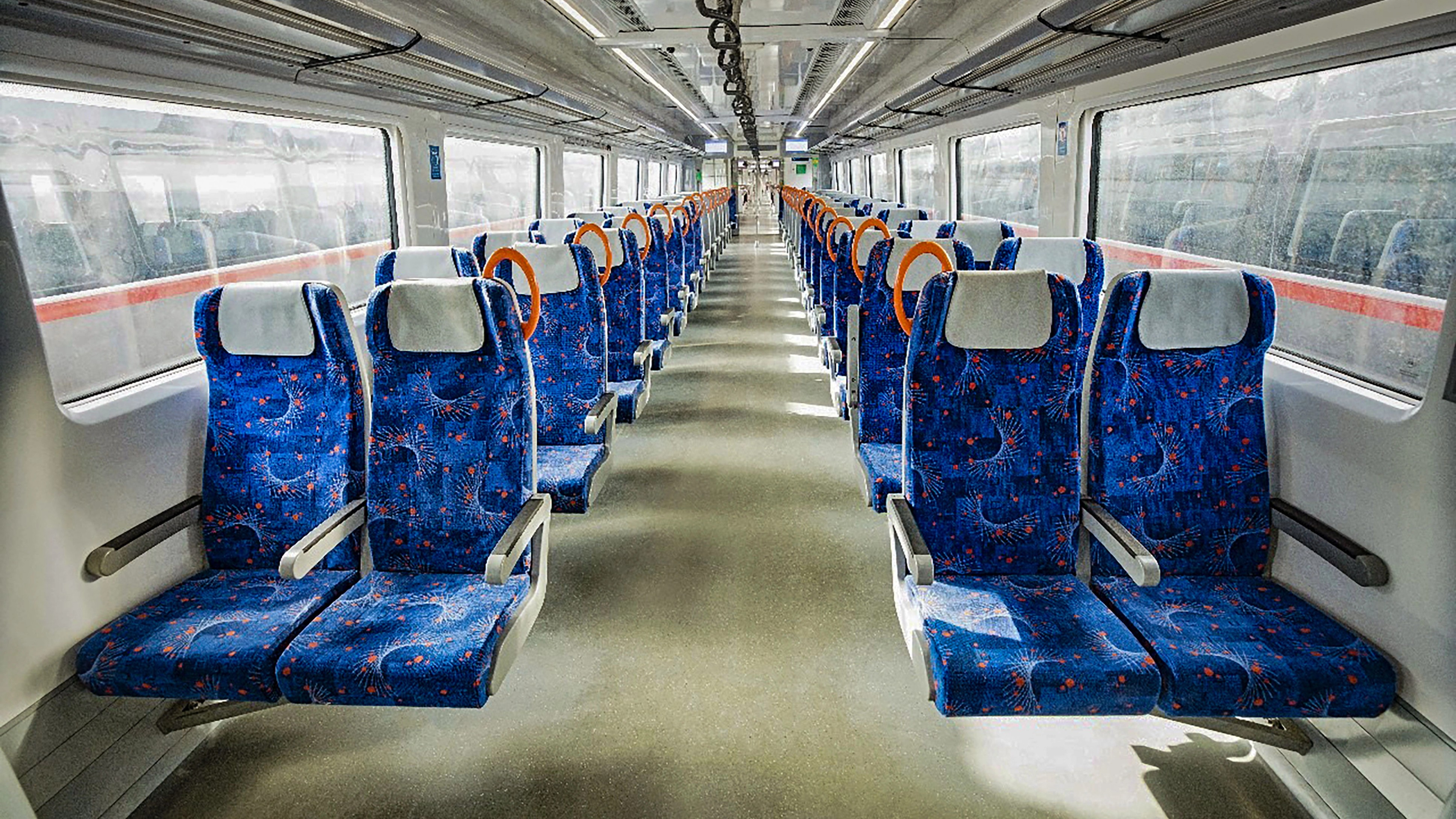

Image credit: Wikimedia Commons, Unsplash
Economic Impact on NCR
The fastest Namo Bharat RRTS is expected to stimulate economic growth along the corridor. Faster connectivity encourages residential development in satellite cities like Meerut while maintaining employment access in Delhi.
Improved regional mobility can reduce pressure on urban housing markets and promote balanced urban expansion. Businesses benefit from quicker employee commutes and efficient logistics connectivity.
Environmental Advantages
Electric powered rapid rail systems like the fastest Namo Bharat RRTS significantly lower carbon emissions compared to private vehicles. Reduced road traffic contributes to improved air quality in the NCR region.
By encouraging public transport adoption, the project supports national sustainability goals and climate commitments.

Image credit: Wikimedia Commons, Unsplash
Technology and Safety Standards
The fastest Namo Bharat RRTS incorporates advanced train control systems, automated braking, and modern track monitoring technology. Real time communication between control centers and trains ensures operational reliability.
Stations feature modern ticketing systems including digital platforms and QR based entry solutions, improving commuter efficiency.

Image credit: Unsplash, Wikimedia Commons
A Blueprint for Future Corridors
The successful launch of the fastest Namo Bharat RRTS establishes a blueprint for similar projects across India. Other proposed corridors aim to replicate the Delhi Meerut model, linking major cities with high speed regional rail.
This model represents a shift toward decentralized urban growth and improved commuter quality of life.

Image credit: Unsplash, Pixabay
Public Reception and Future Outlook
Initial reactions from passengers and officials highlight enthusiasm for the fastest Namo Bharat RRTS. Journalists who experienced trial rides reported smooth acceleration, reduced vibration, and comfortable travel conditions.
As awareness grows and ridership increases, the corridor is expected to become a preferred mode of travel between Delhi and Meerut.

Image credit: Unsplash, Wikimedia Commons
Conclusion
The inauguration of the fastest Namo Bharat RRTS marks a significant leap in India’s transport infrastructure. By dedicating the full Delhi Meerut corridor to the nation, the government has introduced a faster, cleaner, and more reliable travel option for millions.
The fastest Namo Bharat RRTS not only reduces travel time but also symbolizes modern engineering capability and forward looking urban planning. As India continues to invest in rapid transit systems, this corridor stands as a milestone in the country’s journey toward smarter regional connectivity.