

India is home to some of the most impressive man-made water bodies in the world, and Govind Ballabh Pant Sagar stands among the most remarkable. Built as part of a major river valley project, this massive reservoir plays a crucial role in energy generation, irrigation, and regional development. Understanding the facts of Govind Ballabh Pant Sagar helps reveal how engineering, geography, and national planning come together to support millions of lives. Beyond numbers and dimensions, the reservoir also shapes the environment and economy of a vast region in northern India.
- This blog explains the most important facts of Govind Ballabh Pant Sagar, one of India’s largest artificial reservoirs.
- It highlights the reservoir’s role in hydroelectric power, thermal power support, and regional energy security.
- The article covers its location on the Rihand River and its importance within the Singrauli energy belt.
- Environmental, social, and water management impacts of the reservoir are also discussed.
- The blog shows how Govind Ballabh Pant Sagar reflects India’s post-independence engineering vision.
A Reservoir Named After a National Leader
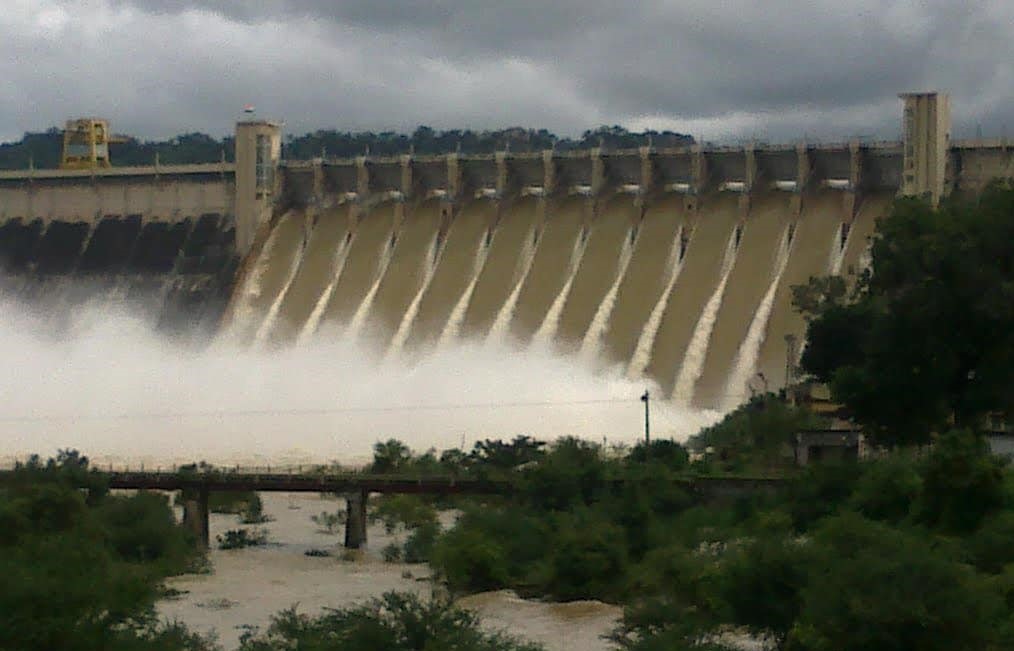
One of the most important facts of Govind Ballabh Pant Sagar is its name, which honors Govind Ballabh Pant, a respected freedom fighter and former Chief Minister of Uttar Pradesh. The reservoir was named to recognize his contribution to India’s political and administrative development. Located behind the Rihand Dam, the reservoir reflects the vision of post-independence India where infrastructure projects were symbols of progress and self-reliance.
Image credits: Wikimedia Commons, Unsplash
India’s Largest Artificial Reservoir by Surface Area

Among the most striking facts of Govind Ballabh Pant Sagar is its sheer size. It is considered the largest artificial reservoir in India in terms of surface area. Spanning hundreds of square kilometers, the reservoir stores an enormous volume of water, supporting power generation and water regulation. Its vast expanse is visible even from satellite imagery, highlighting the scale of human engineering involved in its creation.
Image credits: Wikimedia Commons, Pexels
Built on the Rihand River

Another key entry among the facts of Govind Ballabh Pant Sagar is its connection to the Rihand River, a tributary of the Son River. The dam across this river led to the formation of the reservoir. The Rihand River system plays a vital role in the water cycle of eastern Uttar Pradesh and nearby regions. Controlling its flow through the reservoir helps manage seasonal variations and water availability.
Image credits: Wikimedia Commons, Unsplash
Foundation of Major Hydroelectric Power Generation
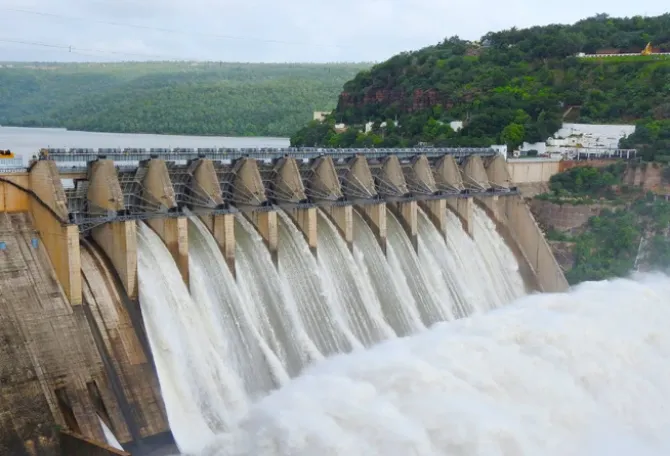
One of the most impactful facts of Govind Ballabh Pant Sagar is its role in electricity production. The reservoir feeds the Rihand Hydroelectric Power Plant, which supplies power to multiple northern states. This energy supports industrial zones, residential areas, and public infrastructure. The reservoir is therefore not just a water body but a backbone of regional energy security.
Image credits: Wikimedia Commons, Pexels
Supports Thermal Power Stations

Beyond hydroelectricity, the facts of Govind Ballabh Pant Sagar also include its importance for thermal power generation. Several large thermal power plants in the Singrauli region depend on its water supply for cooling and operations. This dual support for both renewable and conventional energy sources makes the reservoir strategically important for India’s power infrastructure.
Image credits: Wikimedia Commons, Unsplash
Located in the Singrauli Energy Belt

The location of the reservoir is another significant point when discussing the facts of Govind Ballabh Pant Sagar. It lies in the Singrauli region, often called the energy capital of India. The presence of coal reserves, power plants, and transmission networks makes this region economically critical. The reservoir’s water resources enable this entire ecosystem to function efficiently.
Image credits: Wikimedia Commons, Pexels
Plays a Role in Flood Control and Water Regulation
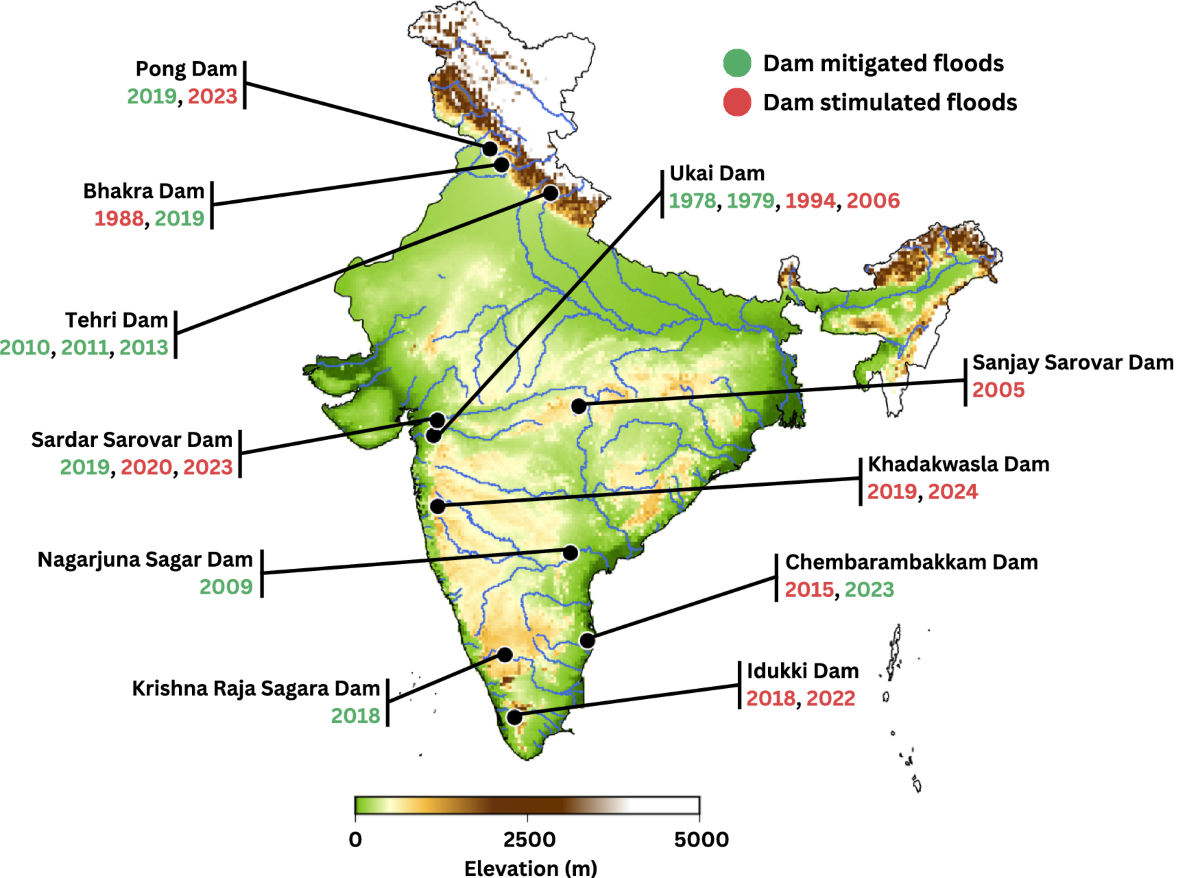
Among the practical facts of Govind Ballabh Pant Sagar is its function in flood management. By regulating excess monsoon water, the reservoir reduces the risk of downstream flooding. Controlled release of water ensures stability in river flow patterns, protecting nearby settlements and agricultural areas from sudden water surges.
Image credits: Unsplash, Wikimedia Commons
Influence on Local Ecology and Biodiversity

Over time, the reservoir has created a new ecological environment. One of the lesser-known facts of Govind Ballabh Pant Sagar is its role in supporting aquatic life and migratory birds. The large water body attracts fish species and seasonal birds, gradually forming a freshwater ecosystem that balances industrial surroundings with natural elements.
Image credits: Unsplash, Pexels
A Lifeline for Surrounding Communities
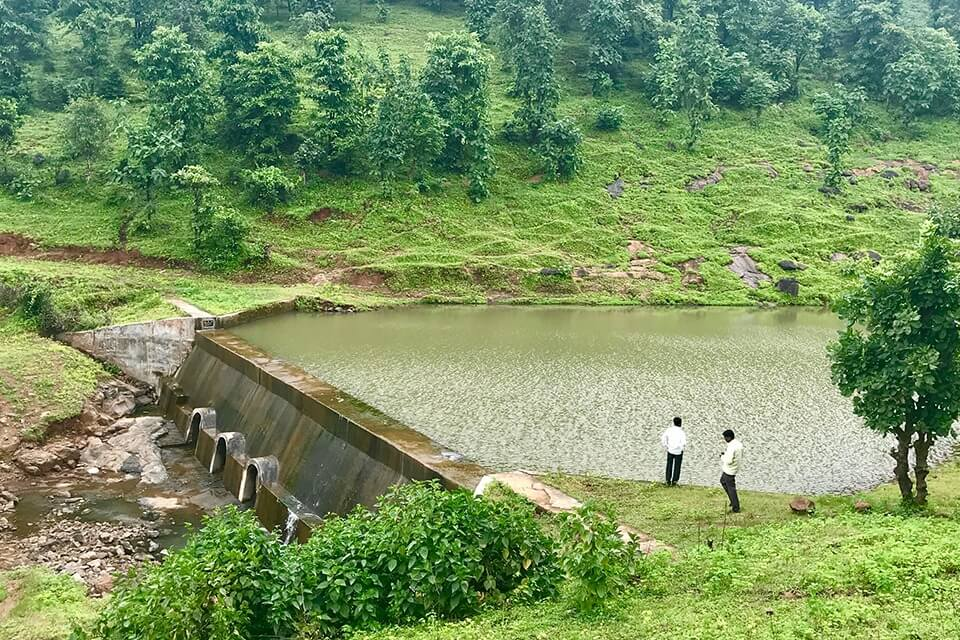
The human impact is central to the facts of Govind Ballabh Pant Sagar. Communities around the reservoir benefit from water availability for daily use, agriculture, and employment opportunities linked to power generation and maintenance. The reservoir has reshaped livelihoods and settlement patterns across nearby districts.
Image credits: Unsplash, Wikimedia Commons
Symbol of Post-Independence Engineering Vision
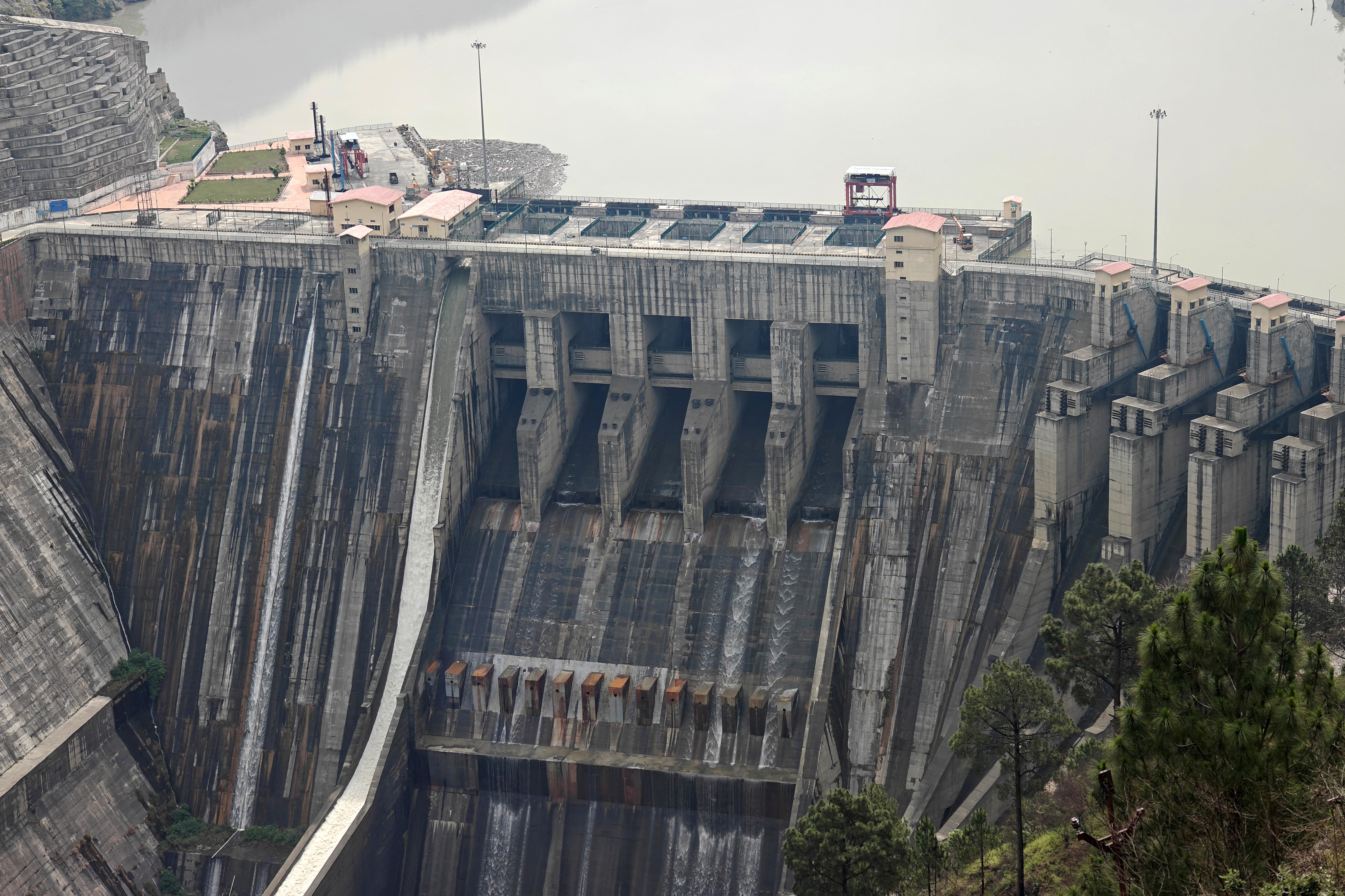
One of the most meaningful facts of Govind Ballabh Pant Sagar is its symbolic value. Constructed during a period when India focused on large infrastructure projects, the reservoir represents ambition, planning, and technological confidence. It stands as a reminder of how large-scale engineering projects were designed to support national growth and long-term development.
Image credits: Wikimedia Commons, Unsplash
Why Govind Ballabh Pant Sagar Matters Today
Understanding the facts of Govind Ballabh Pant Sagar goes beyond statistics. The reservoir connects water management, energy security, industrial growth, and environmental balance. Its continued relevance shows how well-planned infrastructure can serve multiple generations while adapting to changing demands.