

AI Summary
- Delhi to meerut namo bharat completed successful trial run from Sarai Kale Khan to Begumpul.
- Train operates at up to 160 kmph and cuts travel time to 55 to 60 minutes.
- Corridor spans 82 kilometers connecting Delhi, Ghaziabad, and Meerut.
- Project supports economic growth and reduces traffic congestion in NCR.
- Rapid rail sets a benchmark for future regional transit systems in India.
Delhi to meerut namo bharat is set to redefine regional commuting in North India. The high speed rapid rail running on the 82 kilometer Delhi Meerut corridor has successfully completed its trial run from Sarai Kale Khan to Begumpul in Meerut. With a top operational speed of around 160 kilometers per hour, Delhi to meerut namo bharat will reduce travel time between the two cities to just 55 to 60 minutes, offering massive relief to daily commuters across Delhi, Ghaziabad, and Meerut.
The successful trial marks a major milestone in India’s regional rapid transit development. Once fully operational, Delhi to meerut namo bharat is expected to transform how people live, work, and travel within the National Capital Region.


Image credit: Wikimedia Commons, Government of India Media
Trial Run Success from Sarai Kale Khan to Begumpul
The recent trial run of Delhi to meerut namo bharat covered the complete stretch from Sarai Kale Khan in Delhi to Begumpul station in Meerut. This segment is one of the most crucial parts of the corridor as it connects the national capital directly to the heart of Meerut city.
During the trial, the train demonstrated its high speed capability and smooth acceleration. Journalists from Delhi, Ghaziabad, and Meerut were invited to experience the journey firsthand. The rapid rail maintained impressive speed standards while ensuring passenger comfort and safety.
The operational success of Delhi to meerut namo bharat indicates that the project is nearing full scale launch readiness.
Read also: RAC Train Tickets News: Will Railways Refund Half Fare?
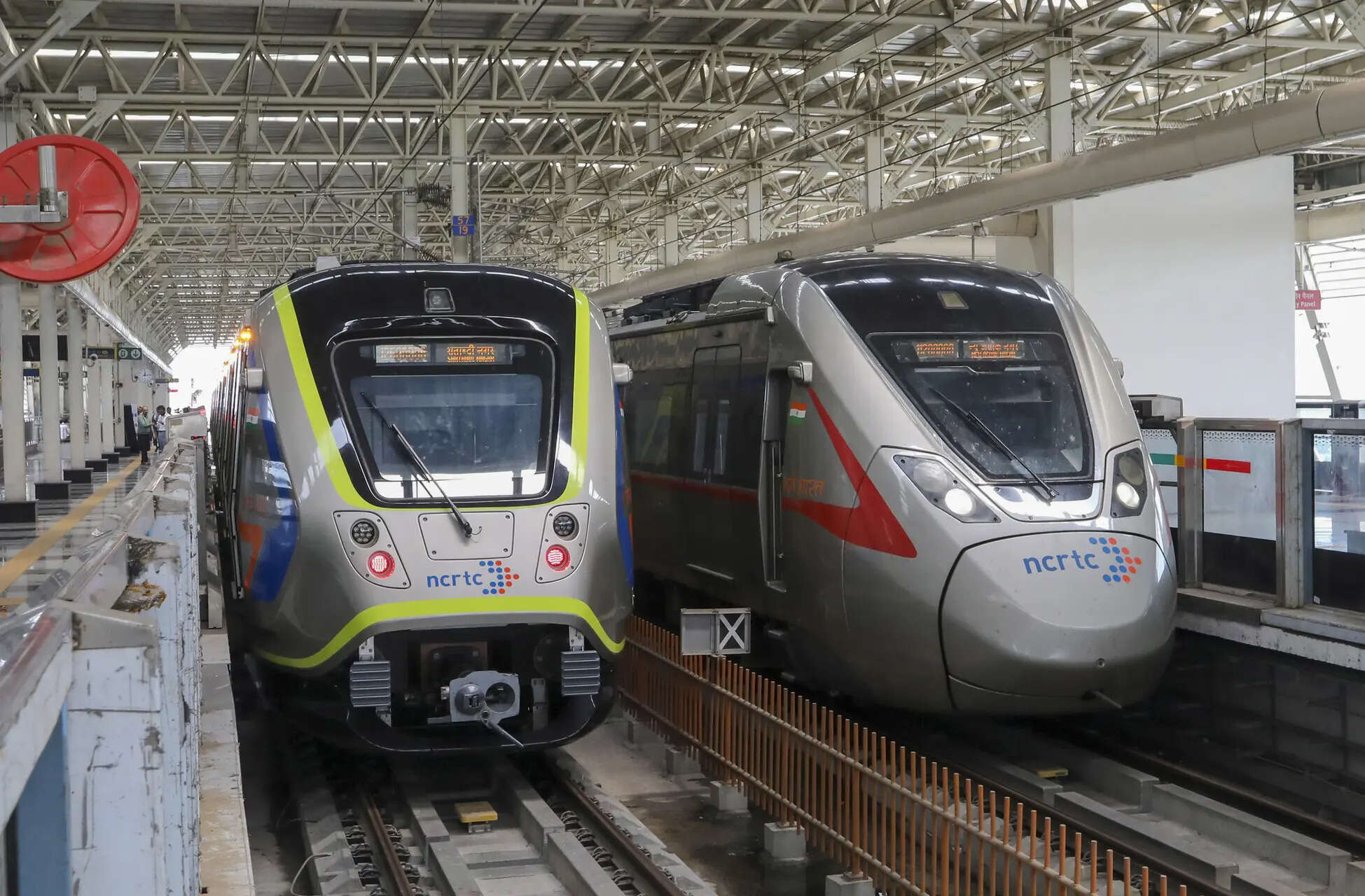
Image credit: Unsplash, Wikimedia Commons
Speed and Travel Time Advantage
One of the most important features of Delhi to meerut namo bharat is its speed. Designed to operate at up to 160 kilometers per hour, the train significantly cuts down travel time compared to road transport.
Currently, traveling between Delhi and Meerut by car can take two to three hours depending on traffic conditions. With Delhi to meerut namo bharat, the journey will be completed in under one hour. This drastic reduction in commute time will benefit office workers, students, and business travelers.
Fast acceleration, limited stops, and dedicated tracks ensure consistent travel time reliability.
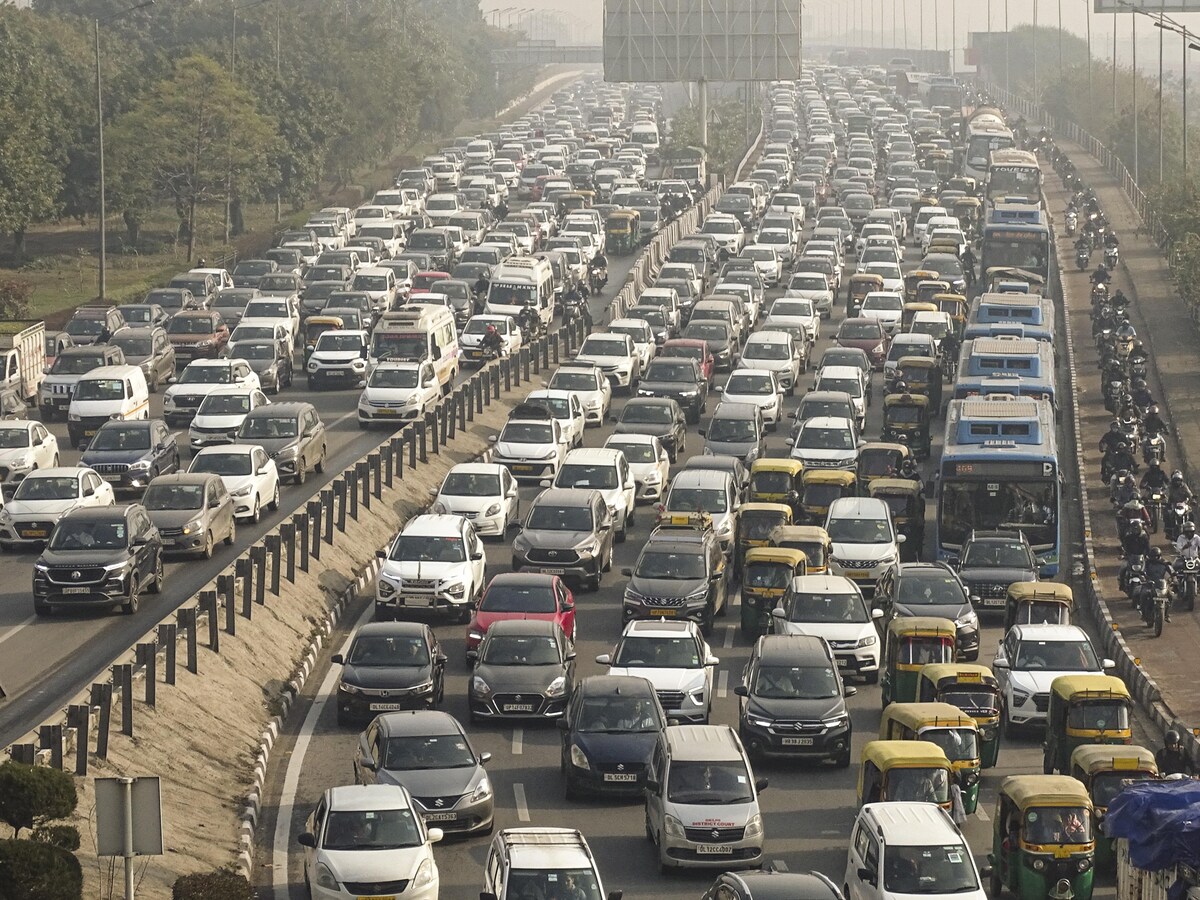
Image credit: Unsplash
Corridor Length and Infrastructure
The Delhi Meerut rapid rail corridor spans approximately 82 kilometers. The infrastructure includes elevated tracks, modern stations, advanced signaling systems, and safety features designed to international standards.
Delhi to meerut namo bharat integrates seamlessly with existing metro and rail networks, especially at Sarai Kale Khan, which is becoming a major multimodal transport hub.
Stations along the route are designed with passenger convenience in mind. Facilities include escalators, lifts, ticket vending machines, and digital information systems.

Image credit: Wikimedia Commons, Unsplash
Current Operational Status
At present, Delhi to meerut namo bharat is already operational between New Ashok Nagar in Delhi and Meerut on certain stretches. The newly completed trial up to Sarai Kale Khan extends the connectivity further into central Delhi.
Once the full section is opened for public operations, commuters from Meerut will be able to reach central Delhi faster than ever before.
The phased rollout approach ensures safety checks and performance testing at every stage.

Image credit: Unsplash, Wikimedia Commons
Benefits for Daily Commuters
Delhi to meerut namo bharat is expected to serve lakhs of passengers daily. The corridor connects major residential and commercial hubs across Delhi, Ghaziabad, and Meerut.
For professionals working in Delhi but residing in Meerut, the rapid rail opens new housing opportunities. Reduced commute time may also lower pressure on Delhi’s real estate market.
Students and small business owners traveling frequently between cities will benefit from predictable schedules and faster access.
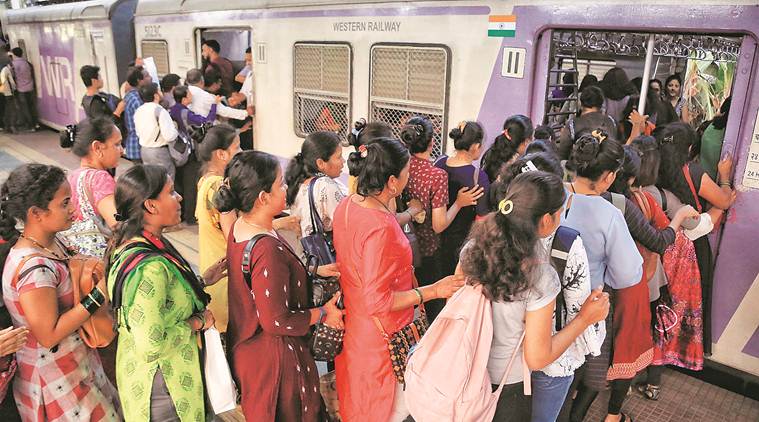

Image credit: Unsplash, Pixabay
Economic and Urban Impact
Beyond transportation, Delhi to meerut namo bharat is likely to influence urban development patterns. Improved connectivity encourages economic growth in satellite cities like Meerut and Ghaziabad.
Real estate projects, commercial hubs, and industrial growth may accelerate along the corridor. Regional Rapid Transit Systems like this one aim to decentralize growth from Delhi and promote balanced development.
The high speed link also supports environmental goals by reducing road traffic congestion and lowering vehicle emissions.
Technology and Safety Features
Delhi to meerut namo bharat uses advanced train control systems to ensure smooth and safe operations. Modern signaling, automatic doors, CCTV surveillance, and fire safety systems are integrated into each train set.
The coaches are fully air conditioned with comfortable seating arrangements. Large windows provide natural light while ensuring energy efficiency.
These features bring the rapid rail experience closer to international commuter rail standards.


Image credit: Wikimedia Commons, Unsplash
Environmental Advantages
Rail based transportation produces significantly lower emissions compared to private vehicles. Delhi to meerut namo bharat is expected to reduce the number of cars and buses operating daily between the two cities.
Electric traction systems ensure cleaner energy use. By shifting thousands of commuters from road to rail, the corridor contributes to improved air quality in NCR.
Reduced congestion also means lower fuel consumption and improved traffic flow on highways.


Image credit: Wikimedia Commons, Unsplash
What It Means for the Future of Regional Travel
Delhi to meerut namo bharat is more than a transport upgrade. It signals India’s commitment to building high speed regional transit infrastructure. If successful, similar corridors may expand to other major city pairs.
The success of this rapid rail project demonstrates how infrastructure investment can reshape daily life, reduce commute stress, and enhance productivity.
As trial runs conclude and full operations begin, Delhi to meerut namo bharat is poised to become a flagship example of next generation regional connectivity.
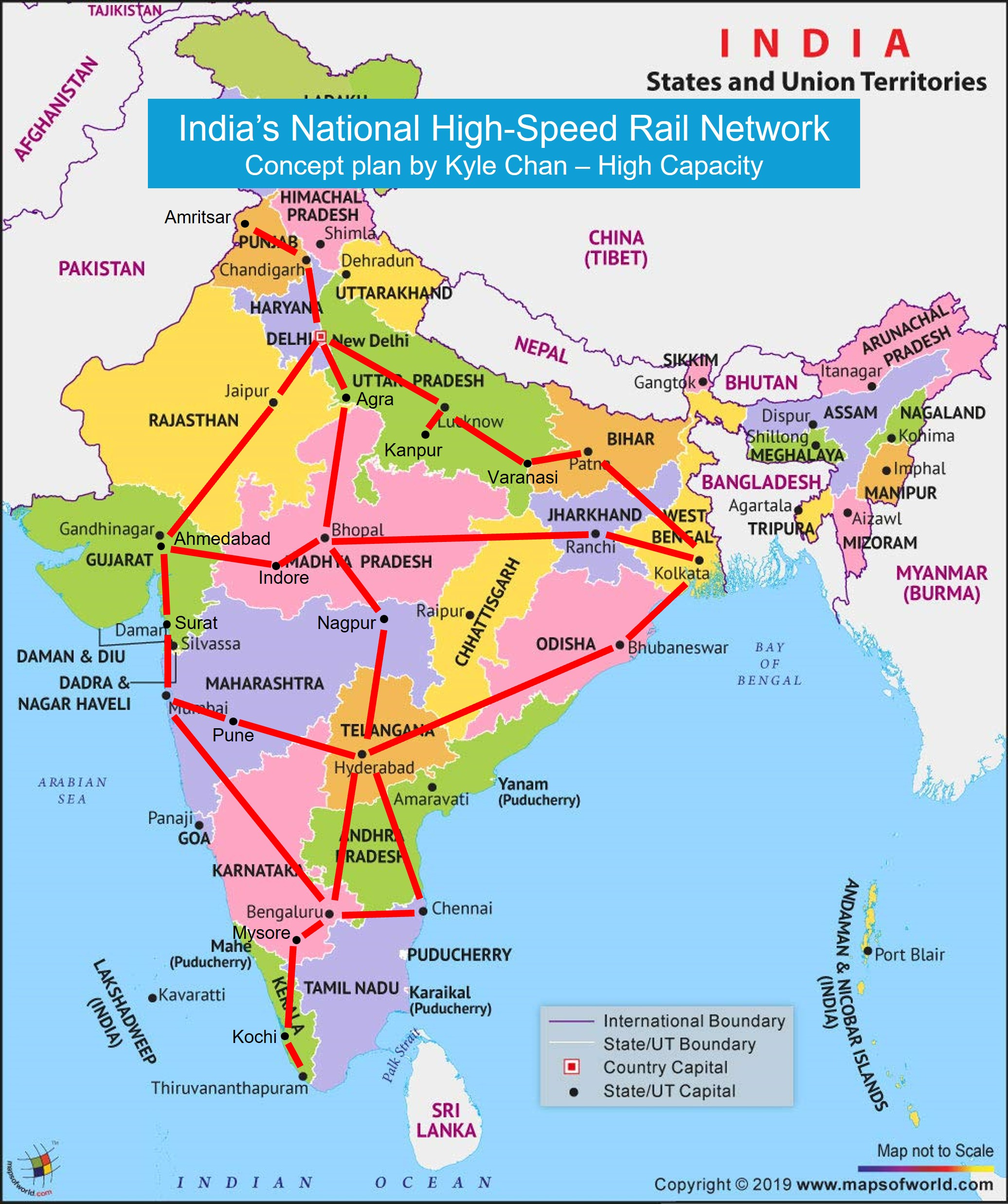

Image credit: Unsplash, Wikimedia Commons
Conclusion
Delhi to meerut namo bharat represents a transformative shift in NCR mobility. By cutting travel time to under 60 minutes, the rapid rail offers speed, reliability, and comfort.
With successful trials from Sarai Kale Khan to Begumpul, the corridor stands close to full scale implementation. For lakhs of commuters across Delhi, Ghaziabad, and Meerut, this development promises faster travel, economic opportunities, and improved quality of life.
The Delhi to meerut namo bharat corridor may soon become the preferred mode of transport for short distance regional commuting in North India.
1 thought on “Delhi to Meerut Namo Bharat 55 Minute Fast Ride”
Comments are closed.