

AI Summary
- World Busiest Airports handle passenger numbers exceeding small country populations.
- Major hubs include Atlanta, Dubai, Tokyo, London, Dallas, Istanbul, Delhi, and Los Angeles.
- Annual passenger traffic often crosses 80 to 100 million at top airports.
- Global connectivity and hub airline models drive traffic growth.
- Future expansion focuses on sustainability, automation, and capacity upgrades.
The World Busiest Airports are not just transport hubs but global cities within cities. Every year, these mega airports handle more passengers than the total population of many small countries. From endless runways to massive terminals that resemble shopping malls, the World Busiest Airports reflect the scale of modern travel and global connectivity. In 2025 and beyond, aviation numbers continue to rise, pushing these airports to record breaking traffic volumes.
Hartsfield Jackson Atlanta International Airport
Consistently ranking among the World Busiest Airports, Atlanta’s primary airport handles over 100 million passengers annually in peak years. Located in the United States, it functions as a major connecting hub for domestic and international routes. The airport’s layout allows rapid aircraft movement, making it one of the most efficient in the world.
Passenger numbers here surpass the entire population of countries such as Iceland or Luxembourg. The scale of operations at one of the World Busiest Airports highlights how aviation connects continents in real time.
Read also: Why This Is the Most Visited Country in World Every Year
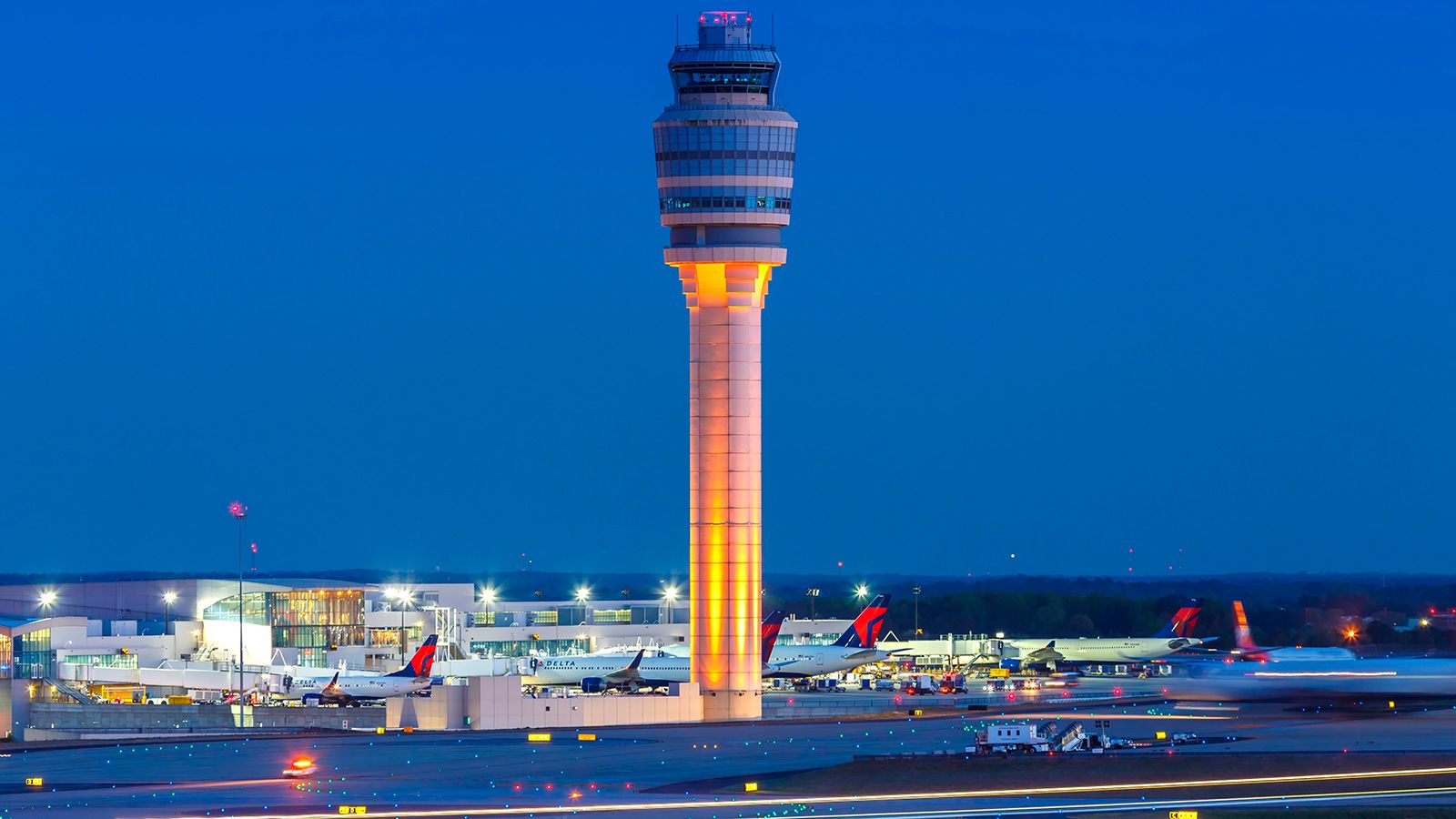
Image credit: Unsplash
Dubai International Airport
Dubai International stands as a symbol of global transit dominance. Among the World Busiest Airports, it leads in international passenger traffic. Strategically positioned between Europe, Asia, and Africa, Dubai handles tens of millions of long haul travelers each year.
Its terminals are designed to accommodate wide body aircraft and luxury transit passengers. With traveler numbers exceeding the population of several island nations, Dubai reinforces its position among the World Busiest Airports.
Read also: Why Dubai Desert Safari Is the World’s Most Loved Experience

Image credit: Pixabay
Tokyo Haneda Airport
Tokyo Haneda is another giant within the World Busiest Airports network. Serving Japan’s capital, Haneda manages both domestic and international traffic with exceptional punctuality. Japan’s high travel demand and tourism resurgence have elevated Haneda’s annual passenger count dramatically.
Handling numbers that rival small European nations, Haneda demonstrates how urban density and tourism growth fuel aviation scale at the World Busiest Airports.

Image credit: Wikimedia Commons, Unsplash
London Heathrow Airport
London Heathrow remains Europe’s gateway to the world and one of the World Busiest Airports by passenger traffic. Despite operating with limited runway capacity compared to newer airports, Heathrow efficiently manages millions of travelers annually.
The airport connects the United Kingdom to over 180 destinations worldwide. Passenger totals at Heathrow exceed the population of countries like Croatia or Ireland, underscoring its place among the World Busiest Airports.
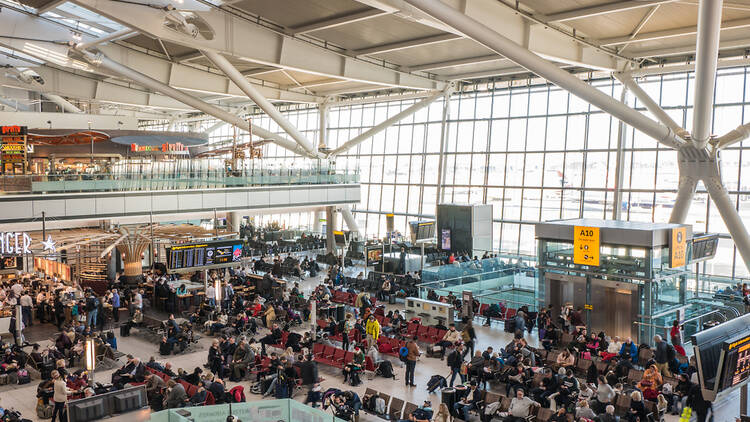
Image credit: Wikimedia Commons
Dallas Fort Worth International Airport
Dallas Fort Worth has rapidly climbed into the World Busiest Airports rankings. Its vast land area and multiple runways allow high frequency operations. As a major hub for North American connections, DFW handles enormous domestic and international volumes.
Annual passenger figures at this airport exceed the entire population of countries such as Denmark, highlighting the magnitude of the World Busiest Airports.

Image credit: Unsplash, Pixabay
Istanbul Airport
Istanbul Airport represents modern aviation expansion. Opened to replace the older Ataturk Airport, it was built with capacity to serve more than 90 million passengers annually. It has quickly joined the list of World Busiest Airports due to its strategic position linking Europe and Asia.
The sheer size of the terminal complex rivals small cities. As tourism in Turkey expands, Istanbul’s passenger count strengthens its role among the World Busiest Airports.

Image credit: Wikimedia Commons, Unsplash
Indira Gandhi International Airport
Delhi’s primary airport is among the fastest growing in Asia and features prominently in the World Busiest Airports category. With India’s expanding middle class and rising international tourism, passenger numbers continue to surge.
Handling volumes comparable to entire national populations of smaller countries, Delhi demonstrates how emerging economies contribute to the expansion of the World Busiest Airports network.

Image credit: Unsplash, Wikimedia Commons
Los Angeles International Airport
Los Angeles International Airport plays a critical role in trans Pacific connectivity. As one of the World Busiest Airports, it manages significant tourism and business travel between North America and Asia Pacific.
The airport processes millions more passengers annually than the population of nations such as Estonia. Its scale and economic impact solidify its ranking among the World Busiest Airports.

Image credit: Pixabay
Why These Airports Handle More Travelers Than Countries
The World Busiest Airports operate as global crossroads. Hub airline strategies, tourism growth, economic expansion, and transit connectivity fuel record breaking passenger volumes. Many small countries have populations under 10 million, while these airports process ten times that number annually.
Their operations include thousands of daily flights, advanced logistics systems, and massive employment ecosystems. The scale of the World Busiest Airports illustrates how aviation shapes globalization.
The Future of Global Air Travel
Looking ahead, the World Busiest Airports are investing in automation, sustainability, and infrastructure upgrades. New terminals, biometric boarding systems, and greener aviation fuels are transforming passenger experience.
As international travel rebounds and demand continues to rise, these airports may soon handle volumes greater than entire regions. The World Busiest Airports are not just transport centers but economic engines driving global mobility.

Image credit: Pixabay
Conclusion
The World Busiest Airports demonstrate astonishing scale. Each year they manage passenger volumes exceeding the populations of small countries. From Atlanta to Dubai, Tokyo to Delhi, these aviation giants redefine what infrastructure can achieve. Their growth reflects expanding tourism, business connectivity, and global integration.
As air travel continues evolving, the World Busiest Airports will remain powerful symbols of international movement and economic vitality.
1 thought on “World Busiest Airports That Move Millions Every Year”
Comments are closed.